
The fight for the last berth in the Karnataka cabinet
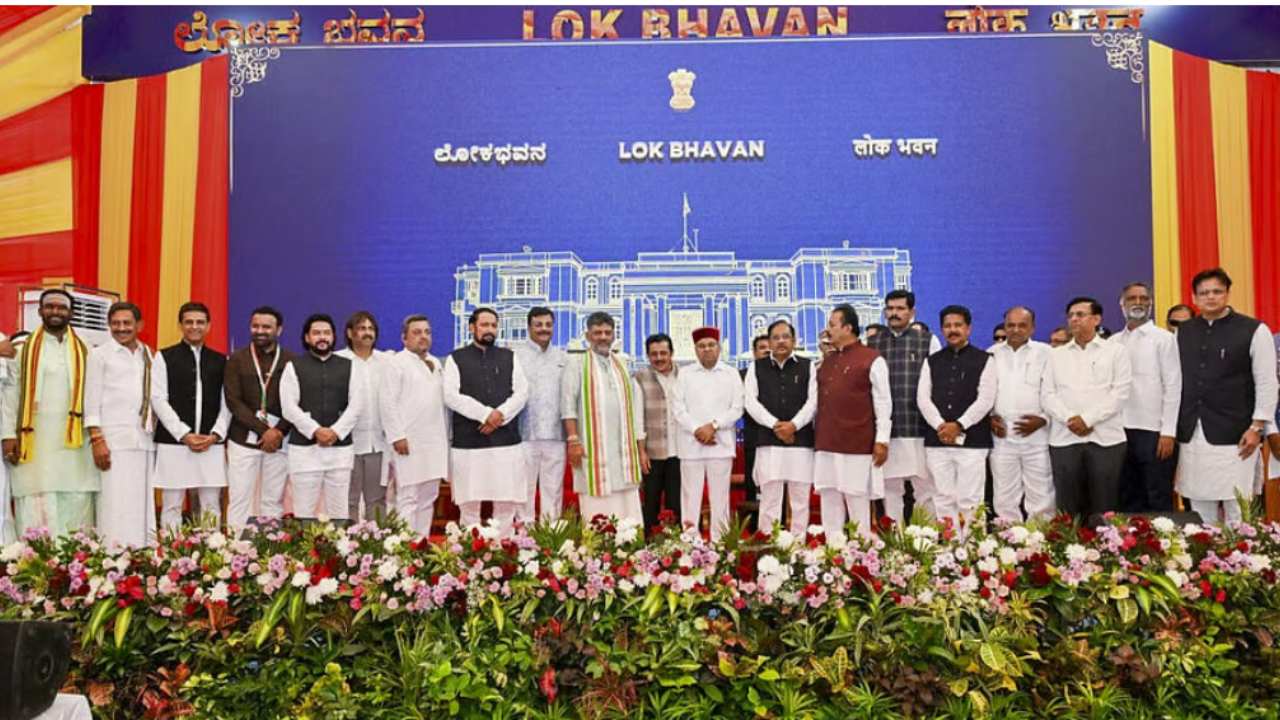
One of the hot-button topics in Karnataka in the past fortnight has been the second cabinet expansion by Chief Minister D.K. Shivakumar. While carefully negotiating the minefield of caste and regional representation, the CM disappointed many, especially women, by installing an all-male cabinet. The name of the sole woman who made it to the list, the newly sworn-in member of the Karnataka Legislative Council (MLC) Gayatri Shantegowda was removed at the last minute.
The Congress has four women MLAs (members of Legislative Assembly) and four MLCs in the current legislature, all of them aspiring to the one vacant post left. Shivakumar has given an assurance that the last spot will be filled by a woman, but there is fierce competition from some men as well.
In an open letter to the chief minister, Naveddu Nilladiddare, a network of about 30 women’s rights groups, said the Cabinet had “entrenched the exclusion of women”. Denying women positions of power, it said, undermines constitutional promises of equal opportunity and reinforces patriarchy. “An all-male Cabinet is not an oversight. It is a political choice. It sends an unmistakable message that women and women’s leadership remain dispensable when it comes to the exercise of State power,” the letter read.
Early Action
Karnataka has a track record of encouraging the participation of women in grassroots politics via the Karnataka Zilla Parishads, Taluk Panchayat Samitis, Mandal Panchayats and Nyaya Panchayats Act, 1983. The legislation reserved 25% of seats for them, including the SC and ST reservations, along with a slew of changes which transformed rural local bodies into true units of local self-governance. It was drafted by then Rural Development Minister Abdul Nazir Sab with the support of then CM Ramakrishna Hegde. The first-ever elections with women’s reservation were held in 1995 under the subsequent Karnataka Gram Swaraj and Panchayat Raj Act, 1993, passed to bring the state act in line with the 73rd Constitutional Amendment. The 73rd and 74th Constitutional amendments (applicable to the Panchayat and urban local bodies respectively) were, in fact, modelled on the Karnataka law and passed in Parliament under the leadership of then Prime Minister Rajiv Gandhi.
But has this early start provided an impetus to political representation and leadership formation of women in Karnataka? The data, sadly, proves not. Women have never been more than 9% of the MLAs in any Assembly. The highest representation of women was in 1962—long before the laws were passed—where they formed 8.65%. The present strength is just 4.5%, including all parties and an independent. The number of women in the ministry was highest at four, in S.M. Krishna’s cabinet (1999-2004).
Four chief ministers have had no women in their cabinet: K.C. Reddy (1947-52), Kengal Hanumanthaiah (52-57), Kadidal Manjappa (Aug. 56-Nov 56), and the first coalition government of H.D. Kumaraswamy (2006-2007). With these exceptions, all other chief ministers, dating back from 1957 and starting with S. Nijalingappa, inducted women ministers.
Current Calculations
To fill the last seat in the current cabinet, the Congress is looking to address both women and Kuruba representation. It is possible that K.H. Muniyappa, senior Dalit MLA from Kolar, may be asked to step down and his daughter, Roopkala, may be given the solitary berth left for women in the cabinet, thus freeing up that last seat for the men. Byadgi MLA Basavaraj Shivannanavar, a Kuruba, is said to be the frontrunner for this post now.
The fracas around the last ministerial berth in Shivakumar’s cabinet only reinforces the idea that women are far from getting their due as full representatives in the corridors of power, despite the presence of plenty of well qualified and capable women in every party.
Even ahead of elections, few women get tickets, which are usually given on the basis of financial, caste/community and regional considerations, with being part of a political family certainly an advantage. There are hardly any women politicians who are not related to some political family or other.
For the forthcoming Greater Bengaluru Authority (GBA) elections—which have been postponed to the end of this year based on an appeal by the state government, citing the ongoing Special Intensive Revision (SIR) of electoral rolls—children of politicians, especially those related to MLAs, are already working out their preferred wards, based on the assembly constituencies won by their parents. They are making plans to stake their claim for the tickets for ward corporator.
I met several young people, including women, who are busy on the ground since the SIR process offers a golden opportunity to connect with voters in their preferred wards. Many of them are related to MLAs from both major parties, and hope their efforts will count towards lobbying for tickets. Karnataka mandates 50% seats for women, including reservations based on caste and minority status, in local governance. Despite this mandated quota, among the five corporations under GBA, only East City Corporation meets the required 50% vertical reservation, with 50 wards. Central City Corporation is at 49.2%, North City Corporation at 48.6%, while West and South City Corporations have 42.8% and 44.4%, respectively.
Women politicians still wait for the day they will be seen as the real representatives of our constituencies and communities, rather than only representing their gender. And the average woman voter in Karnataka wants to know when politicians will see us as full citizens and give us due representation in terms of tickets and cabinet positions to make real decisions. Going by the casual attitude of the present chief minister, it appears that the answer will be a long time coming.
Cynthia Stephen is an independent journalist and gender and social policy researcher from Bengaluru.
Edited by Shalini Umachandran