
How SIR, Workplace Safety and Corruption Influenced Women’s Votes in Bengal
Mamata Banerjee—a phenomenon in Indian politics—lost the 2026 state assembly election in West Bengal. She lost from her constituency of Bhawanipur in Kolkata, while the Trinamool Congress lost its majority in the assembly. Founding her own party in 1998, without dynastic connections, she battled the entrenched Left in West Bengal, and defeated the Communist Party of India Marxist-led Left Front coalition of 34 years in 2011.
The first woman chief minister of West Bengal, she served three consecutive terms until the Bharatiya Janata Party (BJP) won a majority with 207 seats last week. From the opposition benches, the BJP worked for five years to oust Mamata Banerjee.
The conventional reading of the election result in West Bengal in 2026 is that the BJP eroded Mamata Banerjee’s vote bank—women—even as it successfully consolidated the Hindu vote and prevented the Muslims from consolidating and voting tactically in her support. Having looked at the election data, Sanjay Kumar, a researcher with Centre for the Study of Developing Societies-Lokniti, finds that about 5% more women voted for the Trinamool Congress than for the BJP in this election. In the previous election, around 11% more women had voted for the Trinamool Congress.
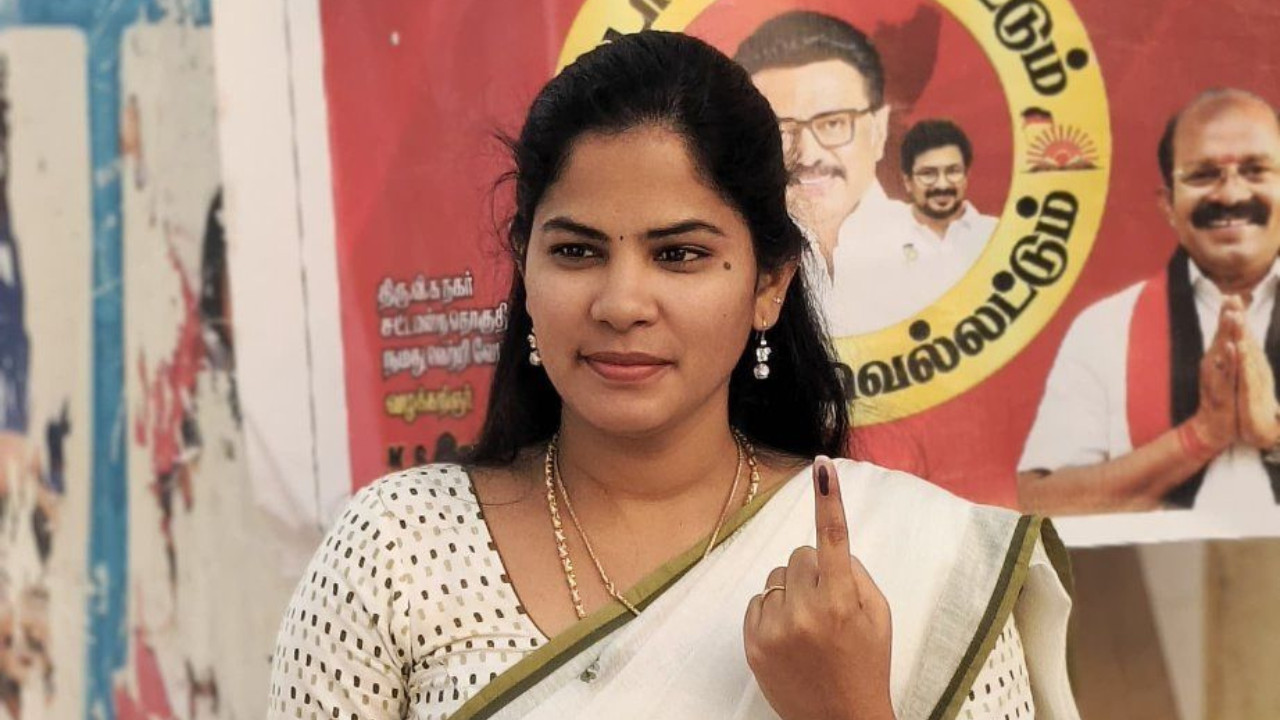
This is significant following the savage incision of women voters during the Election Commission’s controversial Special Intensive Revision of electoral rolls. About 56 lakh women had been removed from the voters’ list by the time the state voted on 23 and 29 April. Women voters in West Bengal declined to 3.16 crore in 2026, from 3.73 crore in 2024. For every 1,000 voters, women constituted 964 voters this time, down from 969 voters in the previous election.
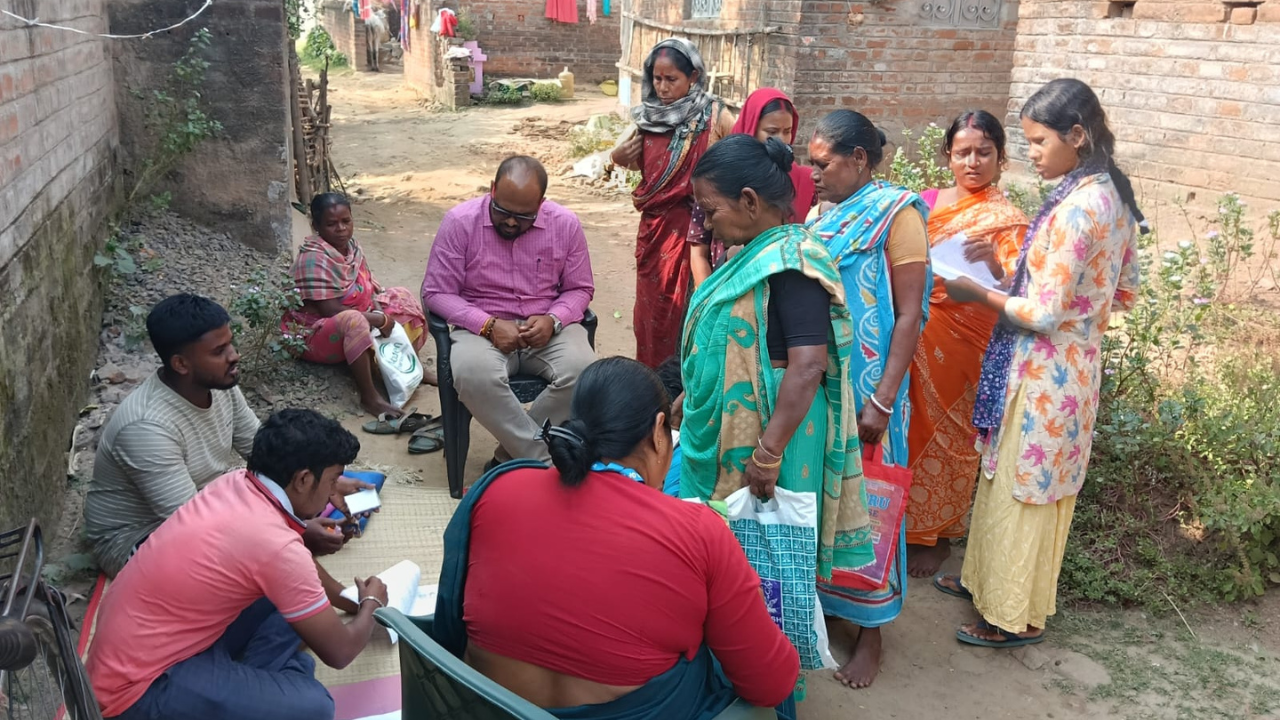
Of the 34 lakh voters who were removed from the rolls, the EC has not provided a gender break-up, which means there is no data for the number of women voters on the “Under Adjudication” list for “logical discrepancies”. Anecdotal evidence indicates that married women have been disproportionately affected. The EC and Supreme Court-appointed adjudicators asked women to produce marriage certificates in case of a change in surname. If they were not able to produce the document, women were deleted from the voters list. Women have petitioned tribunals, also set up under Supreme Court direction. Nineteen tribunals were set up on 13 April to examine the 27 lakh cases placed under adjudication, and the nearly 7 lakh cases challenging new inclusions. Till the election, the tribunals had heard about 2,000 cases and cleared 99% as eligible to vote.
How The Votes Went
The clear preference for “Didi” over “Modi” can be assessed in conversations with working class women. For them, the ₹1,500 Lakshmir Bhandar direct cash transfer scheme that once provoked outrage from Prime Minister Narendra Modi as revdi, or a lollypop to buy votes, was not just money in hand but also dignity and respect. As many beneficiaries said, they did not have to ask and be humiliated by men for asking for money. Didi’s Swasthya Sathi, or health card providing free medical services up to a maximum limit of ₹5 lakh, meant the difference between better health and historic neglect. The Khadya Sathi, or free ration, meant there was just that little bit more they could spend on improving their quality of life.
Better-off women had different reasons for not preferring the BJP, even though they had been critical of Mamata Banerjee. The neo-middle class, or the relatively poor among the better-off, Kumar said, had not voted for Mamata Banerjee. About half of the women in this category of voters preferred the BJP. Women from the emerging middle class and those who perceive themselves as moving up into the bhadralok category, having acquired an education, have over the years negatively reacted to Mamata’s Lakshmir Bhandar scheme and her popular direct cash transfer schemes to educated, unemployed youth, the Kanyashree-Rupashree and other education support programmes. The BJP was smart about playing on these sentiments. It successfully turned these resentments into a narrative and a conviction that these “doles” were a waste that could have been better spent on creating jobs. Faulty as this argument is, since the so-called doles were investments in human capital. Women in the relatively poor category bought into the argument enthusiastically, giving the BJP the extra votes it needed.
In this election, BJP’s vote share has increased to 46.2% from 38.5% in the previous assembly election in 2021. In the 2024 general election, the BJP got a vote share of 39.1%. The Trinamool Congress got 41.1% vote share in 2026, down from 48.5% in the 2021 assembly election, while it garnered 46.2% in the 2024 Lok Sabha election. Since neither the Congress nor the Left vote shares have changed much, the increase in BJP’s voters are most likely people who switched from the Trinamool Congress.
As more granular data becomes available, how women shaped the verdict in West Bengal will become clearer. For now, it appears that a number of reasons have influenced this shift among the relatively poor/affluent voters towards the BJP. Post the R.G. Kar Medical College and Hospital rape and murder case, women’s safety and security in the workplace became a major cause of disappointment in the Mamata Banerjee government. Public opinion congealed into anti-incumbency sentiment, further exacerbated by corruption as reflected in the teachers recruitment scam, abuse of power and privileges, intimidation and violence in rural and less affluent urban areas, lack of jobs and failure to create employment opportunities through investment in industries.
Mamata Banerjee lost the perception battle and the BJP emerged as the party of change, with the added appeal of a double engine sarkar—of the BJP at the Centre and in the state.
Shikha Mukerjee is a senior journalist based in Kolkata.