
How Kerala’s Patriarchy Keeps Women Out of the Assembly
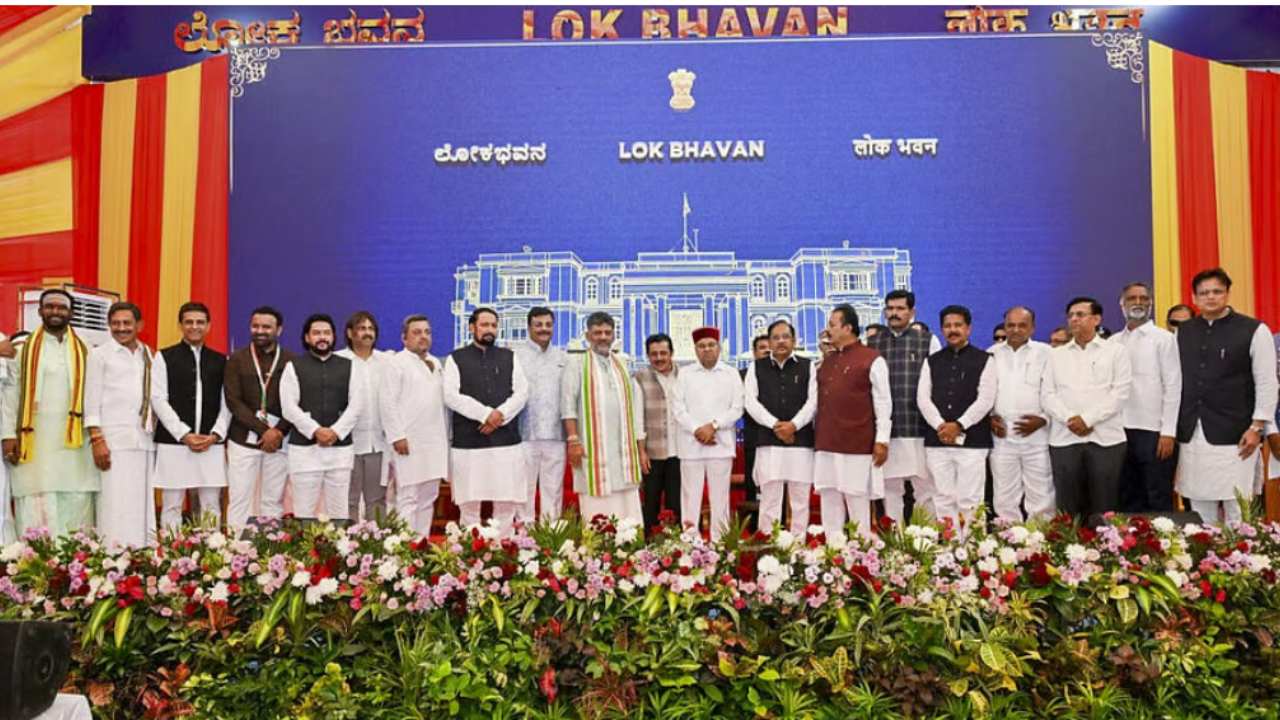
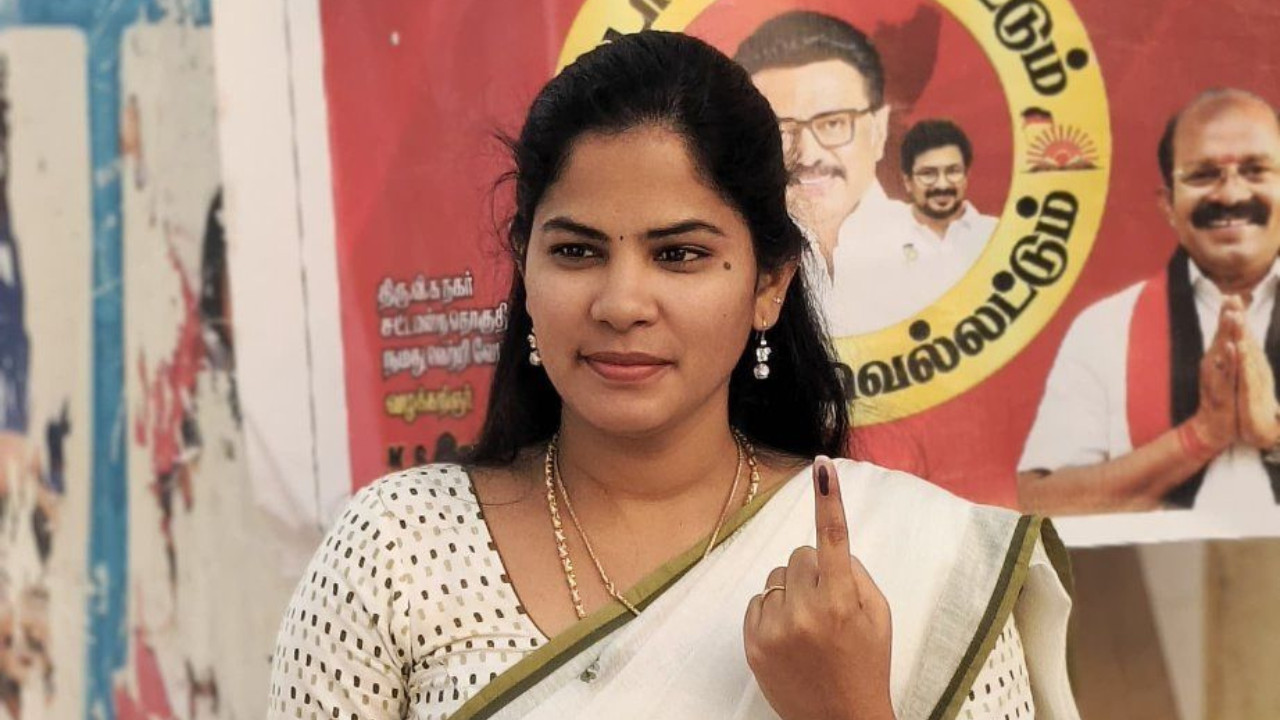
Eleven women will take the oath to the 140-member 16th Legislative Assembly in Kerala on 21 May, one less than the previous House. While the percentage of representation of women in this Assembly (2026-2031) will roughly remain the same, the number of women will be fewer.
In the 15th Kerala Assembly, 12 women were elected in 2021, taking women’s representation to 8.5% (Koyilandy MLA Kanathil Jameela died in November 2025). In the 16th Assembly, the representation of women is about 8%. This is lower than the 9% national average of women in state assemblies, according to a 2025 report from Association for Democratic Reforms. Kerala had the highest number of women MLAs in 1996 when 13 women were elected.
In a state that prides itself on its literacy and high social indices, the poor representation of women in the Legislative Assembly is striking, and does not reflect the demographic profile of Kerala. According to the latest Election Commission figures, the number of female voters in Kerala is nearly 1.4 crore while male voters stand at 1.3 crore.
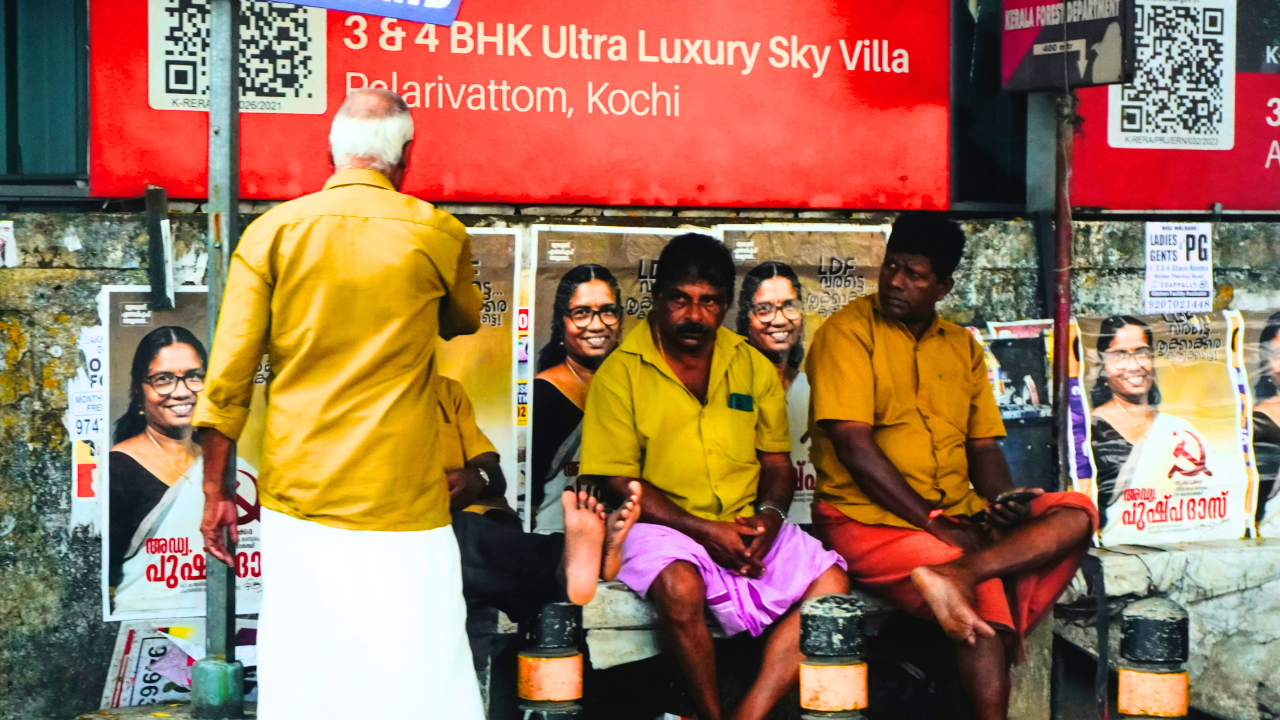
While all political parties depend on women workers for mass programmes, protests and publicity, women are conspicuous by their absence as we go up the ladder. Since the first election post Independence in Kerala, the percentage of women in the 140-member Kerala Legislative Assembly has never crossed 10%.
The 11 newly elected MLAs are K.A. Thulasi, Uma Thomas, Bindu Krishna, Ramya Haridas, Shanimol Osman, Vidya Balakrishnan, Usha Vijayan from the Congress; K.K. Rema of Revolutionary Marxist Party of India (RMPI); Geetha Gopi of Communist Party of India (CPI); O.S. Ambika of Communist Party of India (Marxist); and Fathima Thahiliya from Indian Union Muslim League (IUML).
Fathima, the first IUML woman MLA, won the Left stronghold of Perambra, defeating CPI(M) veteran T.P Ramakrishnan. All eyes are on this 34-year-old lawyer who came up through the ranks of the IUML youth wing.
Feminist scholar, academic and author J Devika says that the patriarchal political party set-up expects women politicians to be “good girls” who crave validation from men. “However, there are exceptions—K.K. Rema, Fathima, Uma and Shanimol are not in the good girl mould. The present Assembly will have some women who are not afraid of speaking up.”
Before the Polls
Of 890 candidates, just 46 were women. The United Democratic Front (UDF) fielded 12 women, the Left Democratic Front (LDF) 18, and the National Democratic Alliance (NDA) 16, proving that getting a ticket to contest, whether for state or general elections, remains a challenge for women politicians.
While male candidates are often given safe—read ‘winnable’—seats, women rarely get a choice of constituency and are forced to contest against bigwigs or are relegated to seats where the likelihood of victory is low. For instance, Lathika Subhash, former Congress leader and Kerala Mahila Congress president, contested against CPI(M) veteran V.S. Achuthanandan from Malampuzha, his stronghold, in the 2011 Assembly election. She finally quit the Congress in 2021, citing bias towards women, and continues to be active in politics as an independent. Sobhana George, Padmini Thomas and Padmaja Venugopal (daughter of late Congress leader and former Chief Minister K. Karunakaran) have also quit the Congress in the last few years, saying that the party does not give equal opportunities to women.
Many of the sitting MLAs who contested the 2026 election were allotted the constituency they had won previously. The three women ministers in the second Pinarayi Vijayan-led LDF government (Veena George, R. Bindu and J. Chinchurani), all of whom lost, contested from the same constituency as in the previous election. However, K.K. Shailaja, perhaps the tallest among the women candidates, was shifted to Peravoor, where she lost to Congress’ Sunny Joseph. Since her landslide win from Mattanoor in 2021 with a margin of 60,963 votes and the international acclaim she received for her work as health minister during the Nipah virus outbreak and covid-19 pandemic, Shailaja has been sidelined by the CPI(M). She was not included in the Cabinet of the second Pinarayi government or given a post that did justice to her stature as an excellent administrator and a popular politician. And in this election, she was given the Peravoor ticket.
One is reminded of the way the CPI(M) pushed another stalwart to the margins—K.R. Gouriamma, who could have been the first woman Chief Minister of Kerala in the 1980s. Instead, she was expelled from the CPI(M) in 1994. Fed up with the machinations within the party, Gouriamma formed her own party and continued her political career till her death in 2021. It was the same in the case of Susheela Gopalan, who seemed to be in the running for Chief Minister after the 1996 election until the CPI(M) decided on E.K. Nayanar.
The CPI(M) seems uncomfortable with the idea of women leading them. Nevertheless, it is true that the CPI(M) and the CPI have given the most number of ‘winnable’ seats to women and also to women who have come up through its feeder organisations.
What Needs to Change
Mini Sukumaran, academic and a member of the Kerala State Planning Board, says it is a sad commentary on the state that the patriarchal set-up still reigns over the political landscape. The impressive gains made by women at the panchayat level have not translated into more seats for women in the Assembly. “Thanks to reservation for women in local bodies, there have been remarkable changes in local self-government institutions, panchayats, corporations and municipalities. Many women have come up through the ranks and they have proved their efficiency as administrators and political leaders. None of this is reflected in the number of women candidates in the Assembly or Parliament elections,” she says.
Devika says 33% representation for women in local governance has helped women prove themselves. “There was a misconception that women would not be adept at dealing with the politics of capital and power. But their competent work has proved that wrong,” she says.
She says the misogynistic political culture has to change before women can be assured of equal representation. “Liberal thinking demands that women have a representation in the Assembly that befits the demographic profile in Kerala. However, for that, the macho body language and posturing of male politicians have to undergo a change. I am happy that, to a certain extent, some of the male candidates with such blatant misogynistic attitudes have been discarded by the electorate this time,” she explains.
Sukumaran says that demanding representation merely in the form of numbers is not enough. Kerala needs women politicians with a progressive outlook who can contribute to the gender dialogue in India and shape policy. “We need leaders who can work for the welfare of all and envision a country where all are equal and have access to the nation’s resources,” she says.
Till then, one can only hope that the women MLAs of the winning UDF are given berths in the new Cabinet.
Saraswathy Nagarajan is a senior journalist based in Thiruvananthapuram.
Edited by Shalini Umachandran