
Silencing the Story
By:
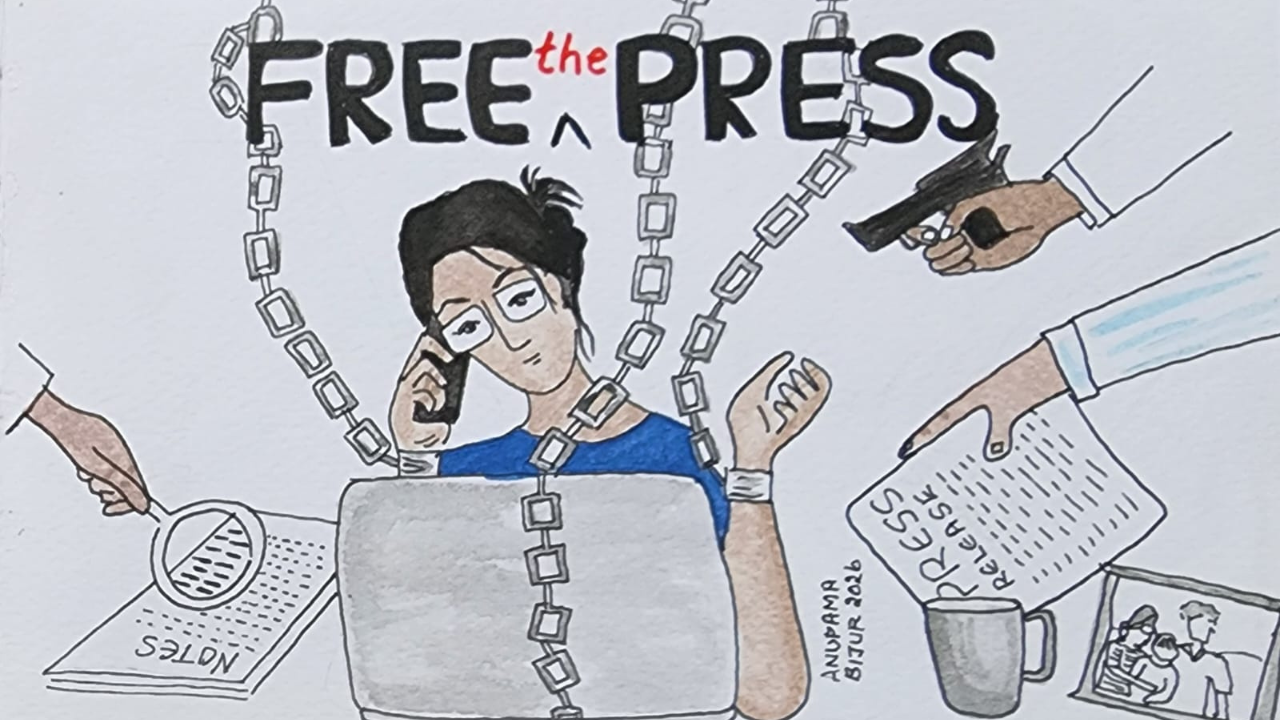
May 3 is observed across the globe as World Press Freedom Day. But this year there is not much to cheer about.
According to the World Press Freedom Index 2026 recently released by Reporters Without Borders, India has slipped to the 157th position, down six places from 2025.
The Index also reflects a broader global downturn for the first time in 25 years, with more than half the world’s countries (among the 180 surveyed) falling into “difficult” or “very serious” categories for press freedom.
According to the Index, out of the five indicators used to assess press freedom worldwide – economic, legal, security, political and social environments – the legal one has seen the sharpest decline this year, suggesting that journalism is increasingly being criminalised worldwide.
Conflicts, authoritarian regimes, economic strain in the media industry and political interference have also led to the shrinking of space for objective reporting.
At the top of the Index is Norway, while Eritrea remains at the bottom. Some countries that ranked below India in 2025 have improved their positions this year. Pakistan (153), Palestine (156), Bhutan (150) and Syria (141) have all moved up in the Index, while Venezuela, Sudan, Iraq, Turkey, Afghanistan, Iran, China and North Korea are ranked below India.
According to RSF Editorial Director Anne Bocandé, “It’s no longer enough just to state principles – effective measures to protect journalists are essential and must be seen as a catalyst for change. This starts with ending the criminalisation of journalism: the misuse of national security laws, SLAPPs* and the systematic obstruction of those who investigate, expose and name names. Current protection mechanisms are not strong enough; international law is being undermined and impunity is rife. We need firm guarantees and meaningful sanctions. The ball is in the court of democracies and their citizens. It is up to them to stand in the way of those who seek to silence the press. The spread of authoritarianism isn’t inevitable.”
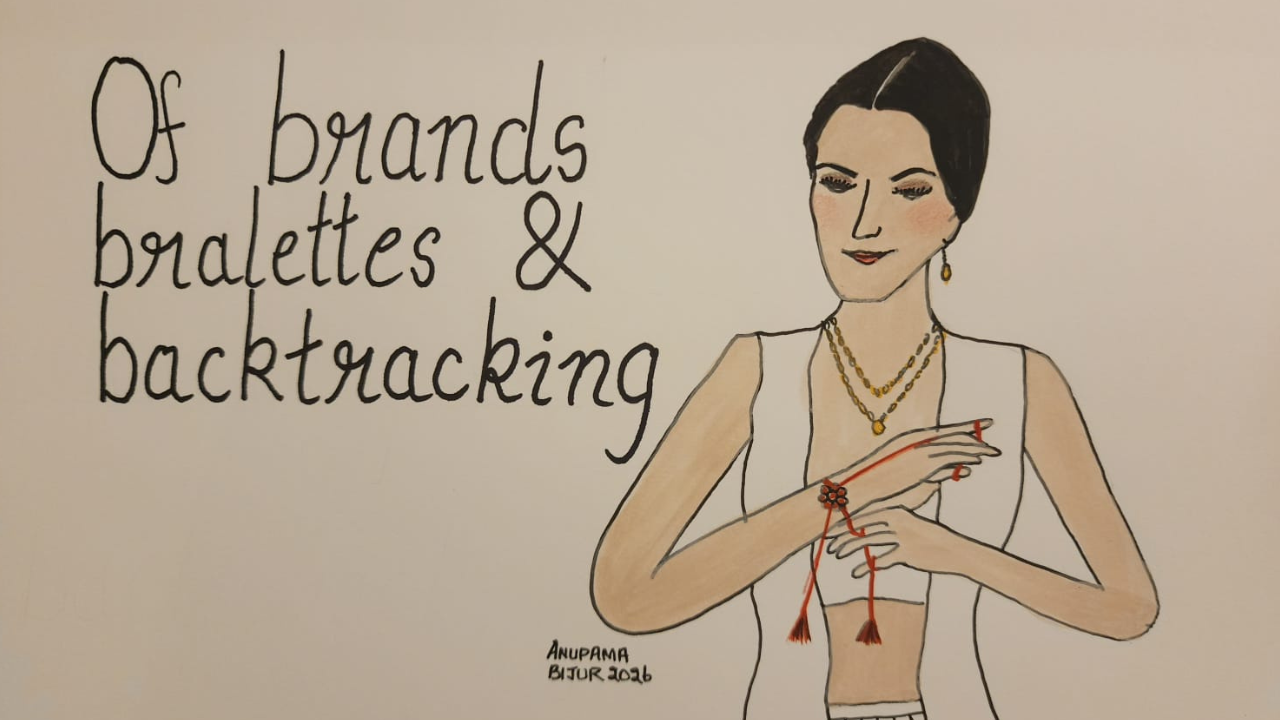
Journalism is changing and, unfortunately, not for the better. An unlikely example of this is the much-awaited movie, The Devil Wears Prada – 2, which provides a glimpse of the challenges faced by journalists and magazine editors, not just from shrinking budgets but from advertisers, rich businessmen who look at magazines as their latest toys, and commerce upstaging conscience.
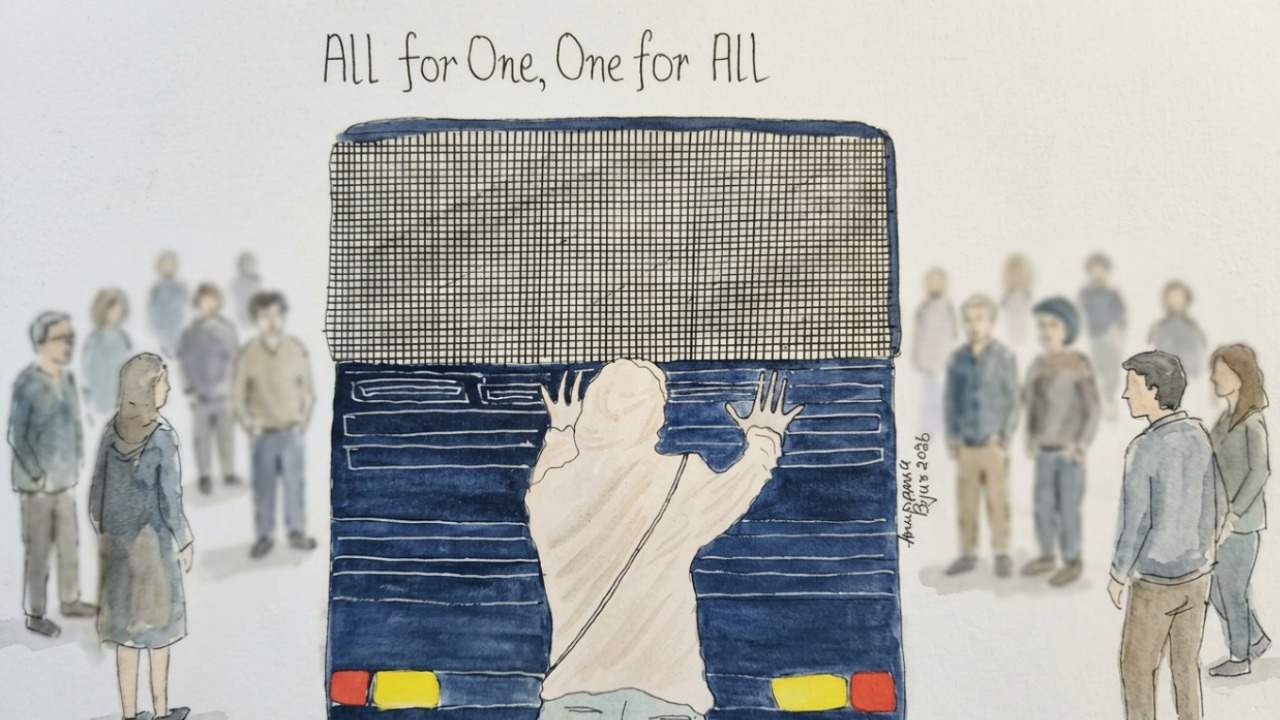
In the real world, throw in political interference, the threat of lawsuits, wars, a growing public mistrust in media (often encouraged by political leaders) and attacks on journalists, and we have a scenario where journalism is in crisis. And there are very few people who still have the courage to report on what is a grave threat to democracy.
*Strategic Lawsuits Against Participation (SLAPPs) – are lawsuits or threats of legal action that supress public participation in and critical reporting on public interest matters.
InkSights is a monthly art series by NWMI member Anupama Bijur viewing current affairs through a gender and news lens.