
In West Bengal, ‘eligibility’ excludes women from welfare programmes
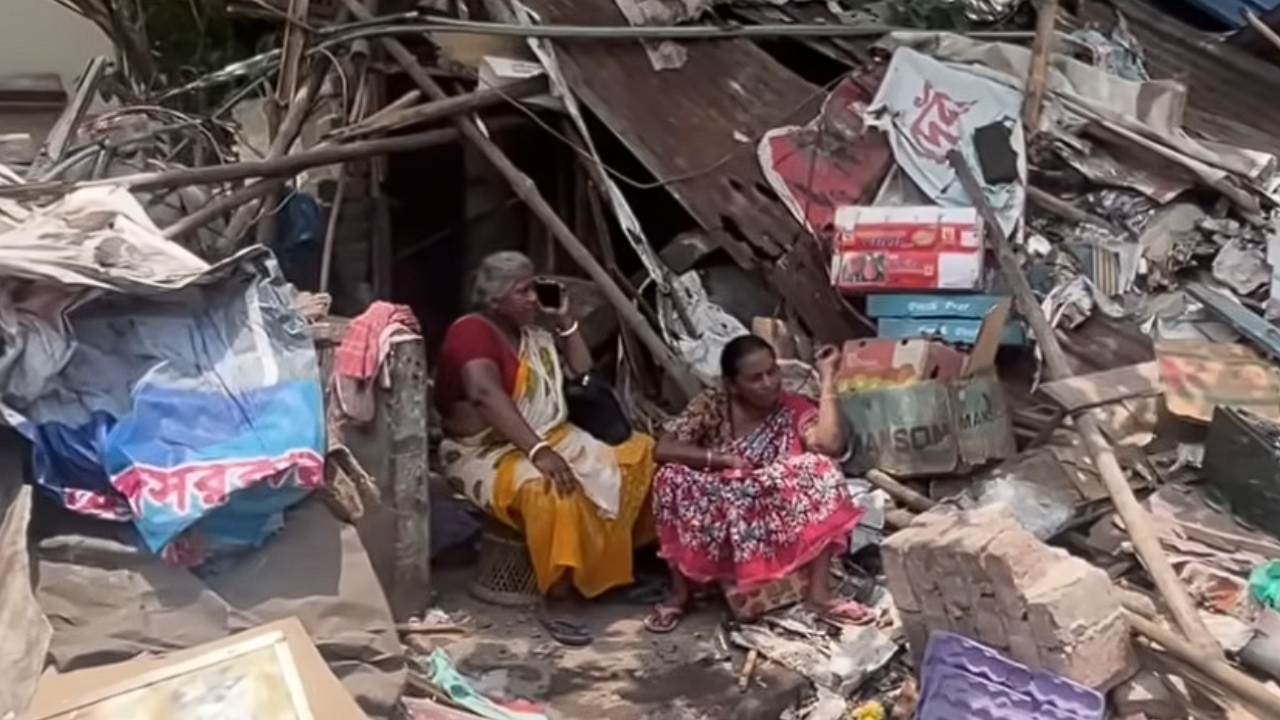
Across West Bengal, on the pavements leading to railway stations, women are standing guard at barricades—or sometimes lining up alongside men to turn their bodies into shields—resisting the bulldozers that have been deployed to tear down their streetside shops. These are the vendors in Jadavpur in south Kolkata, on the edge of South 24 Parganas or in Dum Dum whose wares sustain workers and office-goers travelling to and from rural destinations.
The eviction of encroachers from public property was among the Bharatiya Janata Party’s pre-election promises to voters. Its implementation has impacted the poor, especially women vendors who eked out a living selling food and cheap items on the street; 24,000 such vendors have been evicted, according to Ananya Chatterjee, former chairperson of the Child Rights Committee and reports from the Hawkers Sangram Committee. The evictions began on May 5 in Kolkata’s iconic New Market, where bulldozers were used.
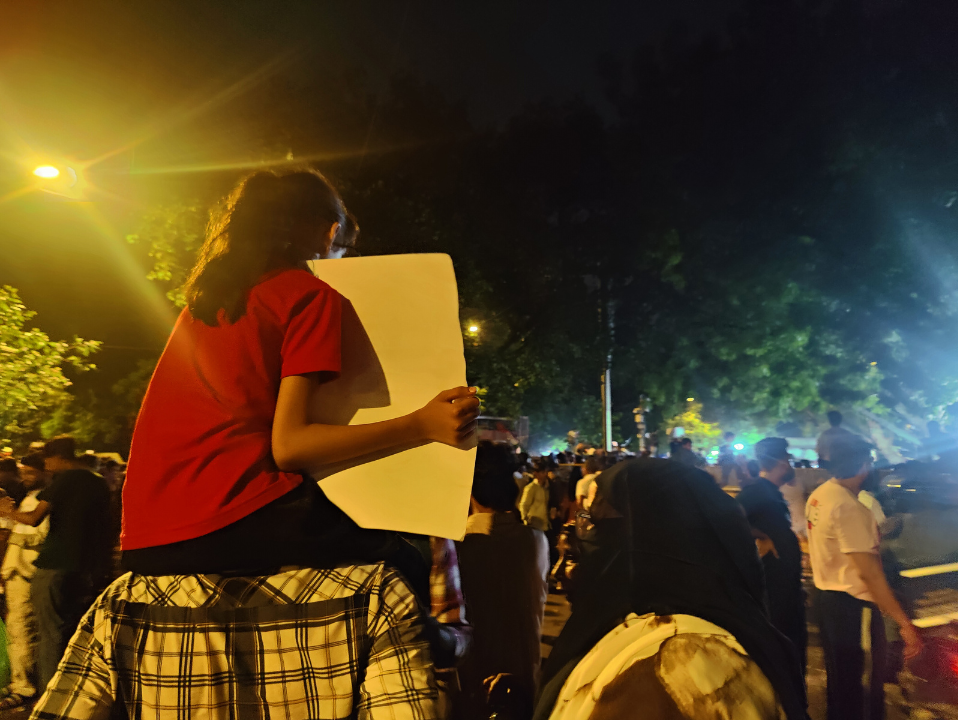
After May 4, when the new government led by Suvendu Adhikari took over, women and their families stood vigil at night at Howrah, Sealdah and Dum Dum Junction Railway stations as police and bulldozers moved in. In police action, some were beaten and others were pushed around, prevented from protesting against the destruction of their lives and livelihoods.
The Communist Party of India Marxist (CPI-M) filed a case and received a stay since the hawkers had trade licences and the Railways had not served the required notices informing them of the eviction, which is mandated under the Street Vendors (Protection of Livelihood) Act, 2014.
Purnima Hore, who runs a food stall at the Dum Dum Junction railway station said “It’s all over,” after the bulldozers razed her stall and other stalls on the night of 30 May. She maintains that “no one told us anything. There was no notice. We were not given time to remove our things.”
On 12 June, New Market police carried out the first arrests of hawkers, The Times of India reported. This followed Adhikari’s statement that “nobody has the right to encroach upon pavements and roads”, reiterating that pavements are meant for pedestrians. “The state government will gradually bring schemes for hawkers,” he said.
The new West Bengal government and the Railways have not heard the hawkers’ pleas for rehabilitation. “We knew shops on the platforms would be demolished and we got notices to this effect. If the government decides to remove the shops, we have no objection. But I want to ask what will happen to people like us who earn our livelihood from these shops,” Chaitali Majumdar told The Times of India, after the stall she inherited from her father was razed in the Dum Dum Junction railway station area.
The terrifying visuals of bulldozers approaching a line of people, more women visible than men, and stopping because they did not fall back and scatter is a reminder of the way the state uses its power. Women facing the police and Rapid Action Force were beaten. From Howrah to Sealdah to Jadavpur to Dum Dum, vendors who had stalls on the pavements and the approach roads to the station, say the same thing: “It’s all over”.
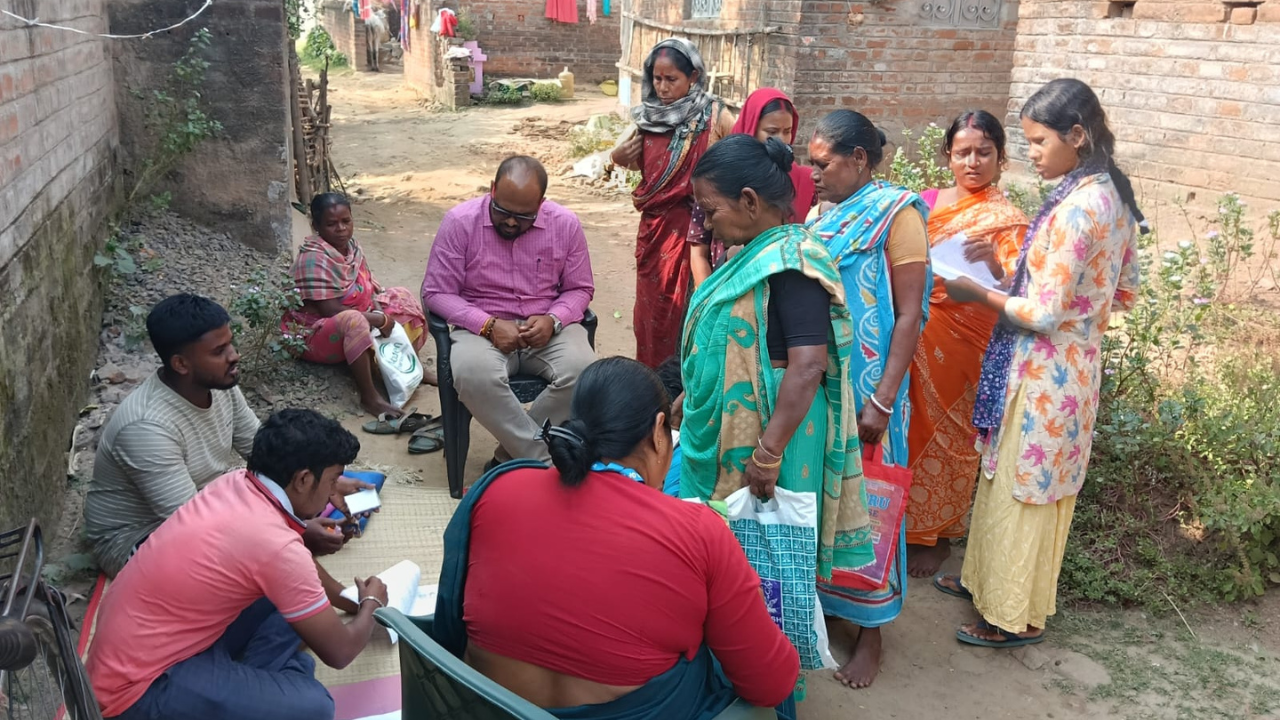
Apart from the bulldozer drive, women have been disproportionately affected by the reorganization of old welfare schemes such as direct cash transfers. Mamata Banerjee’s flagship Lakshmir Bhandar payout of ₹1,500 per month to poor women between the 18 years and 60 years has been rechristened Annapurna Yojana. During the election campaign, the BJP enticed women voters with a promised ₹3000 a month, but the new rules for enrollment in the scheme are complicated. The women, many of whom are not literate, have to fill a 12-page form giving details of the number of people in the family, what each one of them earns, bank account numbers, where they live, whether it is pukka structure or a shack, whether anyone in the family owns a two-wheeler or four-wheeler. They are also being asked to link their mobile numbers with their Aadhaar cards.
In Maharashtra, this single mandatory requirement of linking and acquiring e-KYC (Know Your Customer) has excluded tens of thousands of women from the Majhi Ladki Bahin Yojana, because they do not possess smartphones or mobile connectivity is patchy. The number of beneficiaries in Maharashtra has dropped from 2.4 crore to 1.7 crore in two years because 80 lakh people were found to be ineligible for a variety of reasons, including the failure to complete the e-KYC process.
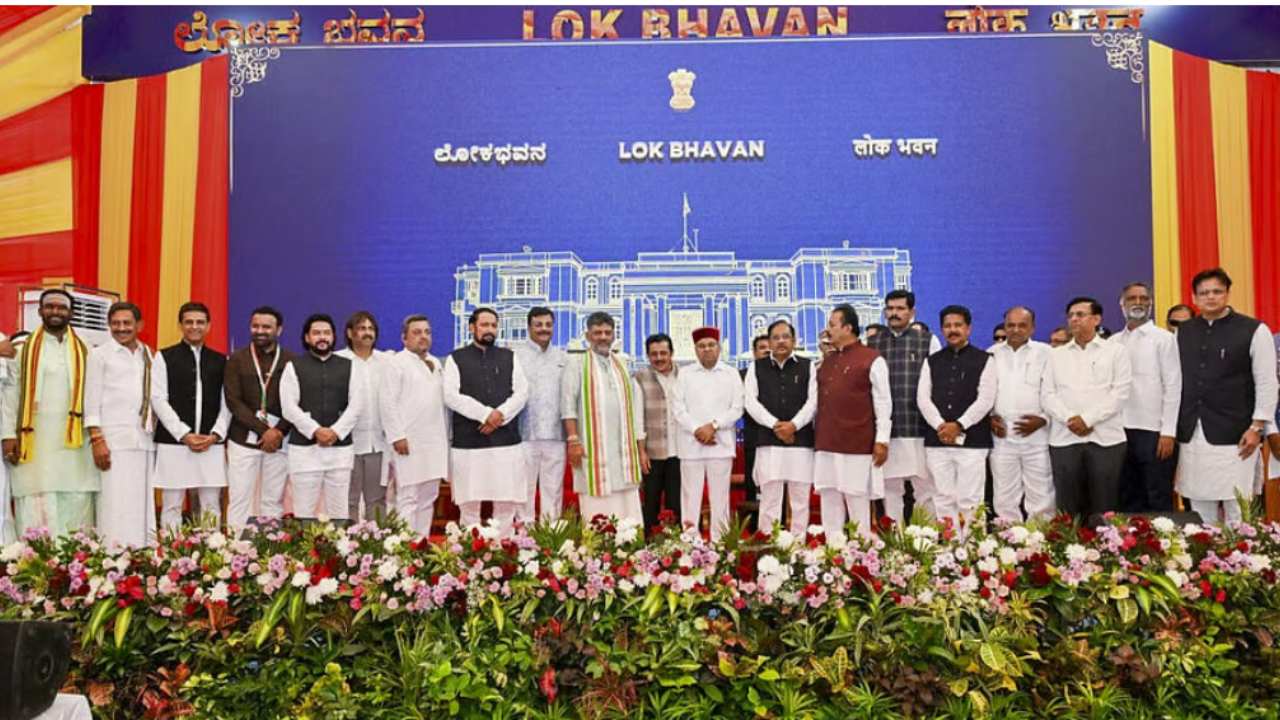
West Bengal chief minister Suvendu Adhikari has said that women whose names were deleted in the Special Intensive Revision of electoral rolls would not be eligible for Annapurna Yojana payouts. His argument is they are deemed ghuspaithiyas (illegal Muslim immigrants largely from Bangladesh), until they can prove they are not; weeding them out is the priority of the West Bengal government.
If the women are Muslim, they will have to be certified as Indian citizens by the special tribunals established by the Supreme Court. For women who are Hindu, Booth Level Officers (temporary staff assigned to the Election Commission) have been assigned the responsibility of getting them to fill applications for citizenship under the Citizenship Amendment Act, after which they get a Domicile Certificate that gives them access to the Annapurna Yojana.
The verification of citizenship euphemistically called eligibility and the probability of exclusion affects women in multiple ways. Inclusion or exclusion from the Annapurna Yojana is key to receiving a slew of benefits under other West Bengal government schemes for poorer households. The food security scheme, the universal health scheme and land ownership deeds are pegged to recognizing women as the head of the household.
From putting women and the girl child first, which was Mamata Banerjee’s policy focus, to excluding them because they may not be eligible as voters, the shift in priorities is a shock in that it signals a likely decline in support from the government for women. For all her faults, Mamata Banerjee oriented government programmes towards empowering women by investing in them, building human capital that would pay off in the long run. One data point confirms that investing in women works—the decline in the fertility rate in West Bengal; it is now at 1.3 per woman, the same as in Kerala and Tamil Nadu. As economists have argued, total fertility rate often drops when more women in a society have access to education, contraceptives and more agency in decision-making in households.
Shikha Mukerjee is a senior journalist based in Kolkata.
Edited by Shalini Umachandran