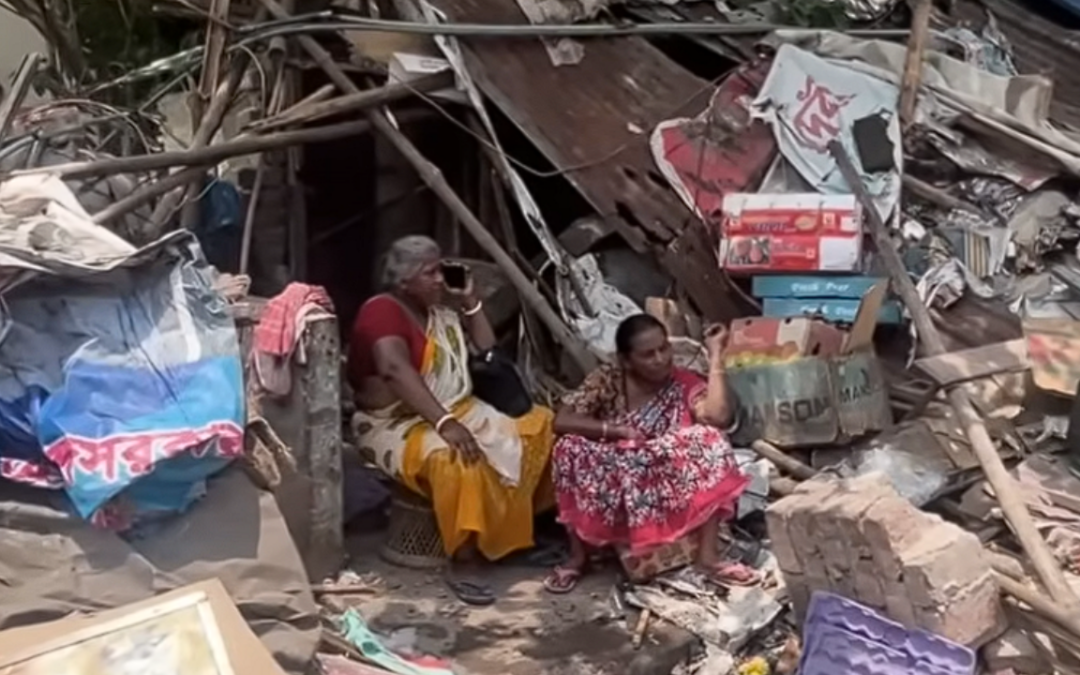
The BJP came to power with a host of promises to women voters, but women are the biggest casualty of its new policies, including the drive to clear Kolkata footpaths of vendors and kiosks


Search results
The BJP came to power with a host of promises to women voters, but women are the biggest casualty of its new policies, including the drive to clear Kolkata footpaths of vendors and kiosks
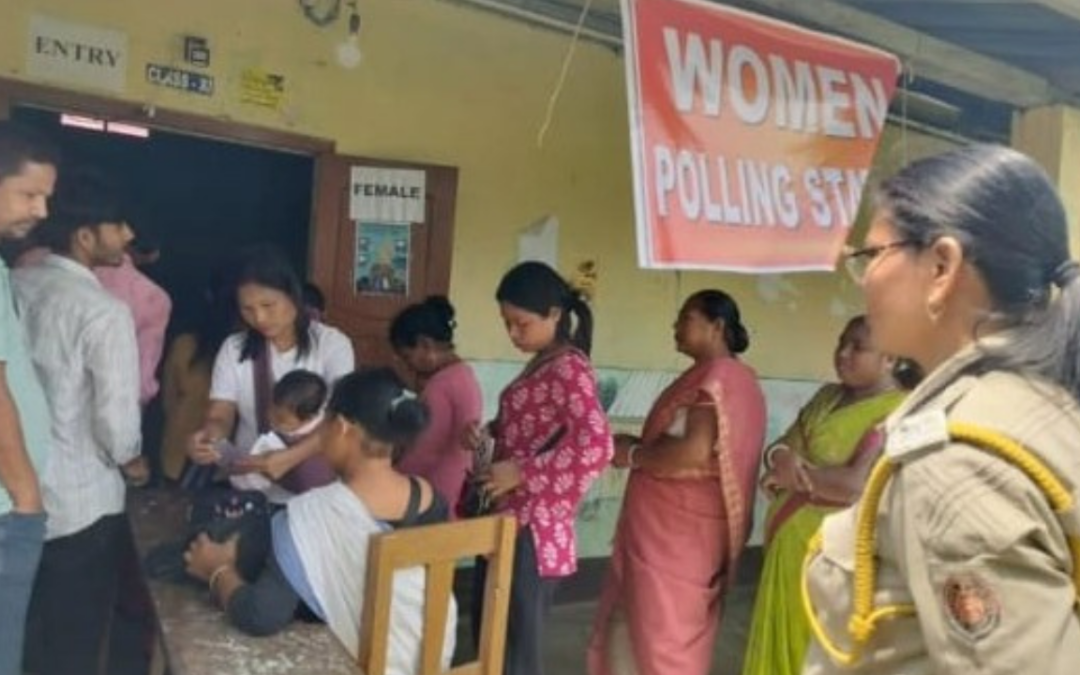
In Assam, the BJP doubled down on efforts to woo over 1.25 crore women voters through cash transfer schemes such as Orunodoi, targeted at economically vulnerable households, Mukhya Mantrir Nijut Moina for female students in higher secondary, undergraduate and postgraduate levels and Mukhya Mantri Mahila Udyamita Abhiyaan for women in self-help groups. In village after village, many women voters vouch for how these direct benefit schemes have helped them. But concerns remain over patchy implementation and whether these schemes are addressing deeper issues like stagnant incomes and a precarious labour market.

The Special Intensive Revision (SIR) of the electoral rolls in the state of Bihar has sparked a heated debate across India in recent months. Among the many concerns raised is its potential impact on women voters.

Caste-based politics has long been a harsh reality in Bihar. The state has witnessed prolonged caste conflicts as well as political battles focusing on challenging the dominance of the upper-caste groups traditionally in power. For decades, political parties have used caste consolidation as the primary tool with which to achieve electoral success. As a result, both democracy and development have remained sidelined for a long period. However, a significant transformation is now taking place. The growing number of female voters in the state is weakening the grip of caste politics and infusing fresh democratic energy into the political arena.
जाति आधारित राजनीति ने लोकतंत्र और बिहार के विकास को लंबे समय तक हाशिये पर रखा। लेकिन अब बिहार में एक बड़ा बदलाव देखा जा रहा है। महिलाएं, विशेषकर युवतियां, अपने मताधिकार को लेकर सजग और मुखर हुई हैं। उभरता हुआ महिला वोट बैंक जातीय राजनीति की जकड़न को कमज़ोर कर रहा है।

Since he first took office in 2005, Nitish Kumar has designed programmes to meet the needs of women and girls and built himself a loyal vote base.

By Jyoti Punwani Domestic workers and poor Muslim women in Mumbai knew what they were voting for, but may have to wait longer to see their demands met Ahead of the Assembly elections in Maharashtra, I met two groups of women voters in Mumbai. Both were completely...
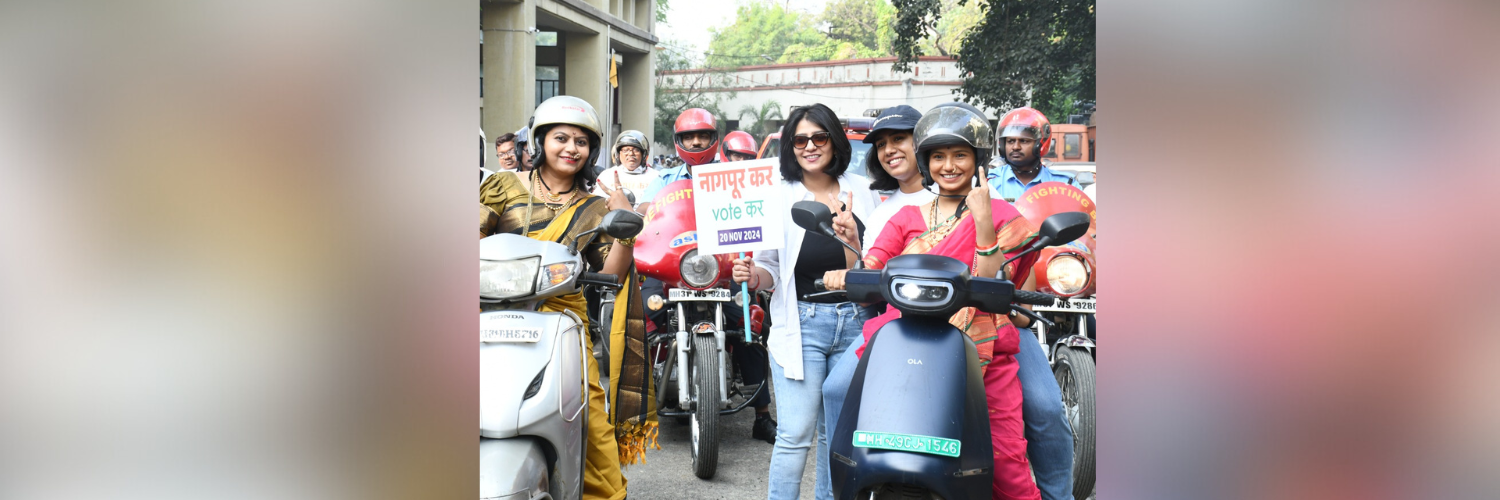
By Hepzi Anthony The Mahayuti alliance won on the back of women who voted in large numbers to show their appreciation for women-focussed schemes—but the number of women in the state assembly has dropped. The Mahayuti alliance’s landslide victory in the recent 2024...
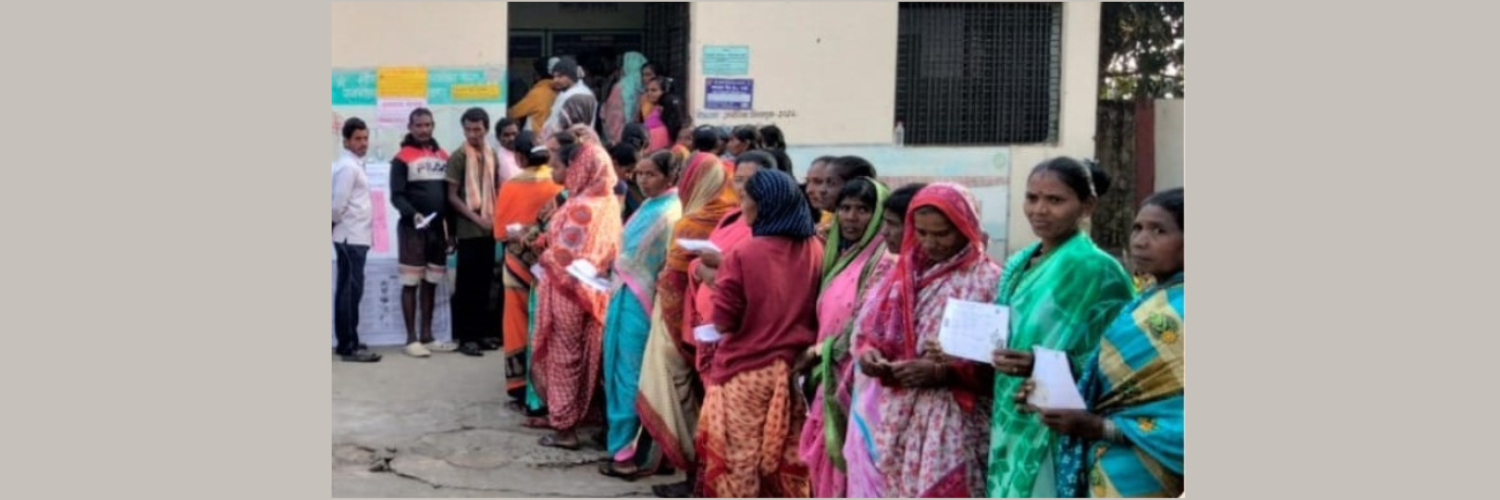
By Akansha Deshmukh As the dust settles on the recent Maharashtra Assembly elections, one quiet yet transformative trend stands out: the remarkable surge in the number of women voters. Against a backdrop of political alliances and divisive campaigns, women turned out...
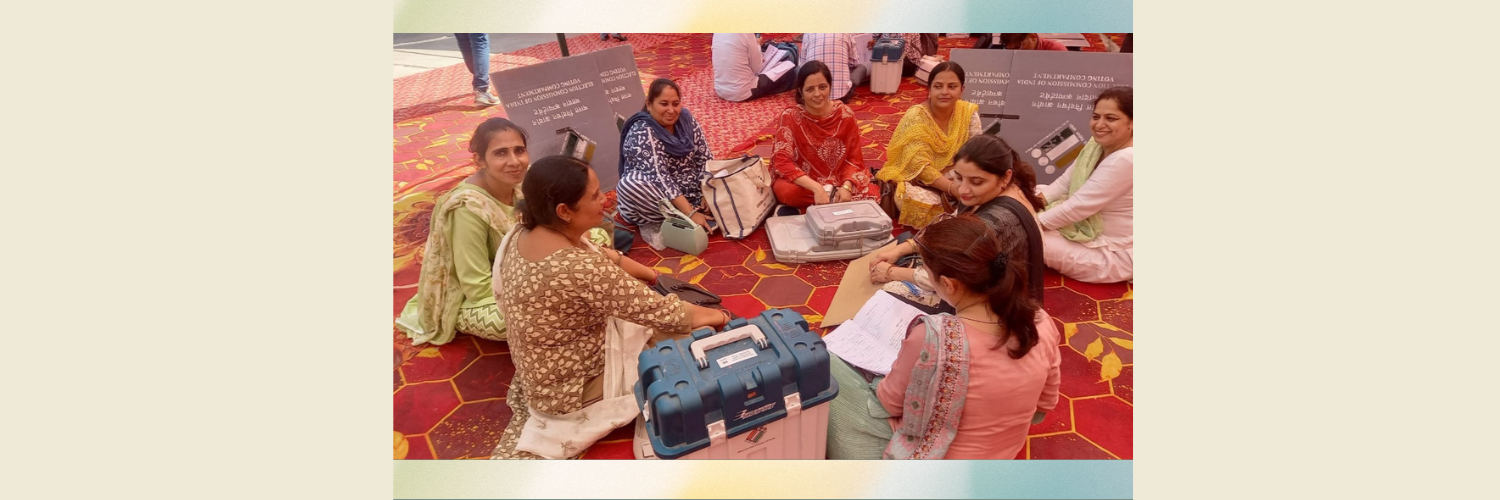
By Romita Saluja Much has been written about Haryana’s skewed sex ratio, in the general population as well as in the legislative assembly. As expected, there aren’t too many women contesting the Vidhan Sabha elections on October 5. The prominent parties or coalitions...
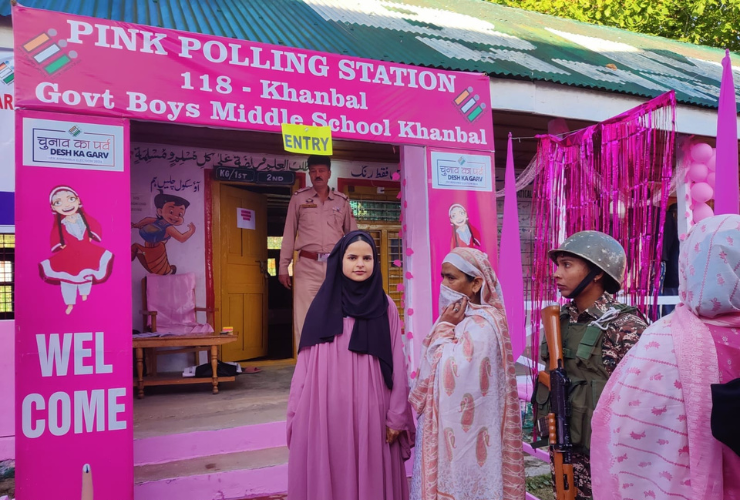
By Rifat Mohidin For 19-year-old Amina Jan, casting her first vote in the ongoing assembly elections in Jammu and Kashmir was both exciting and challenging. These elections, being held in the region after a decade, represent a personal milestone for young voters like...
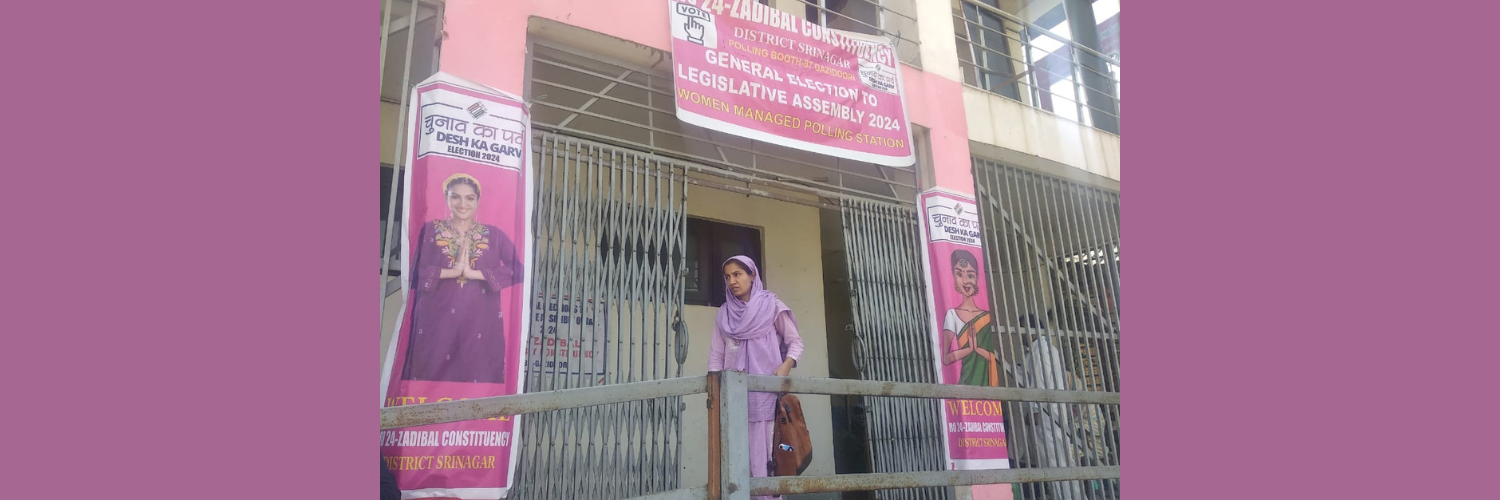
By Sumayyah Qureshi In Anchar, a neighbourhood in the northern part of Srinagar, Kashmir, many women turned out to vote in the second phase of polling for the state’s legislative assembly elections, on September 25. Their concerns: incarcerated youth, the need for...
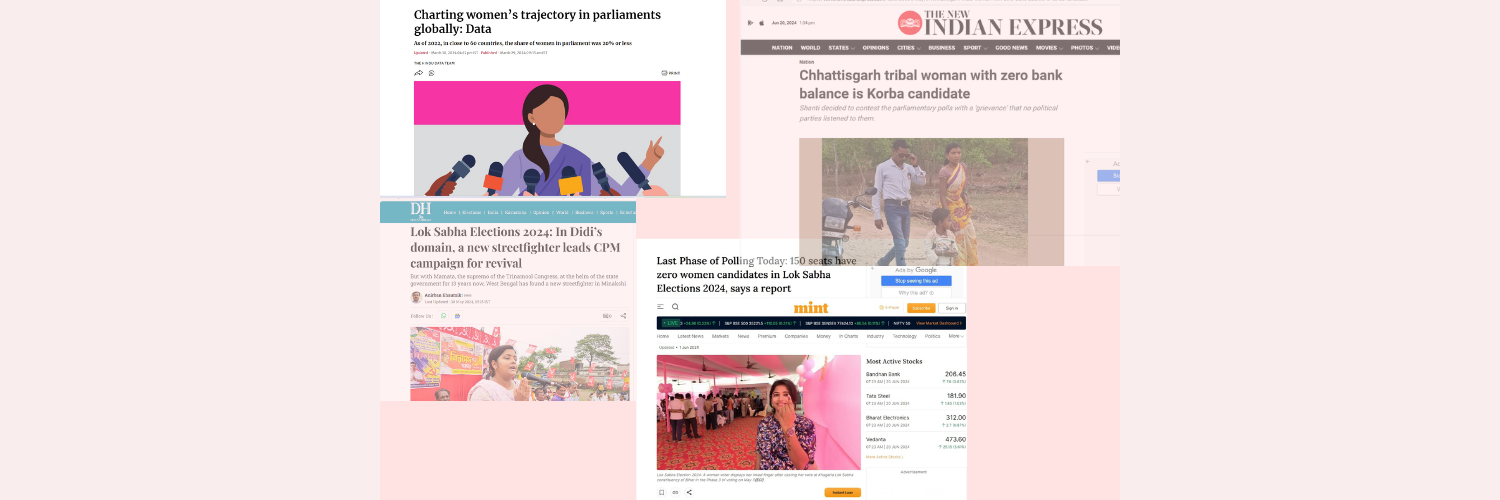
By Ammu Joseph In the lead-up to the 2024 general elections in India, The Hindu’s data team had charted the trajectory of women’s representation in parliaments across the world. According to them, even though women’s representation in political spheres improved in the...

By Jyoti Punwani Women participated enthusiastically in campaign meetings ahead of the fifth phase of the election in Maharashtra Women voters are, often, not as accessible as are men, and few reporters, myself included, seek them out. This time however, I didn’t have...

By Shikha Mukerjee Between hype and reality, the status of women is an expanse of hypocrisy in West Bengal. Abhijit Gangopadhyay, the newly hatched politician who is the Bharatiya Janata Party’s candidate from Tamluk in East Medinipur, was asked by the Election...

By Durba Ghosh The number of women candidates has been on the decline since 2014, but women voters are turning out in greater numbers than men. Promises galore have been made and benefits doled out but in Assam, even as women outnumber the male voters, the...

By C G Manjula The final voter turnout in the 14 parliamentary constituencies included in the first phase of polling in Karnataka on April 26 was 69.59%. Women voters outnumbered men in five of the 14 constituencies, according to the revised data shared by the...
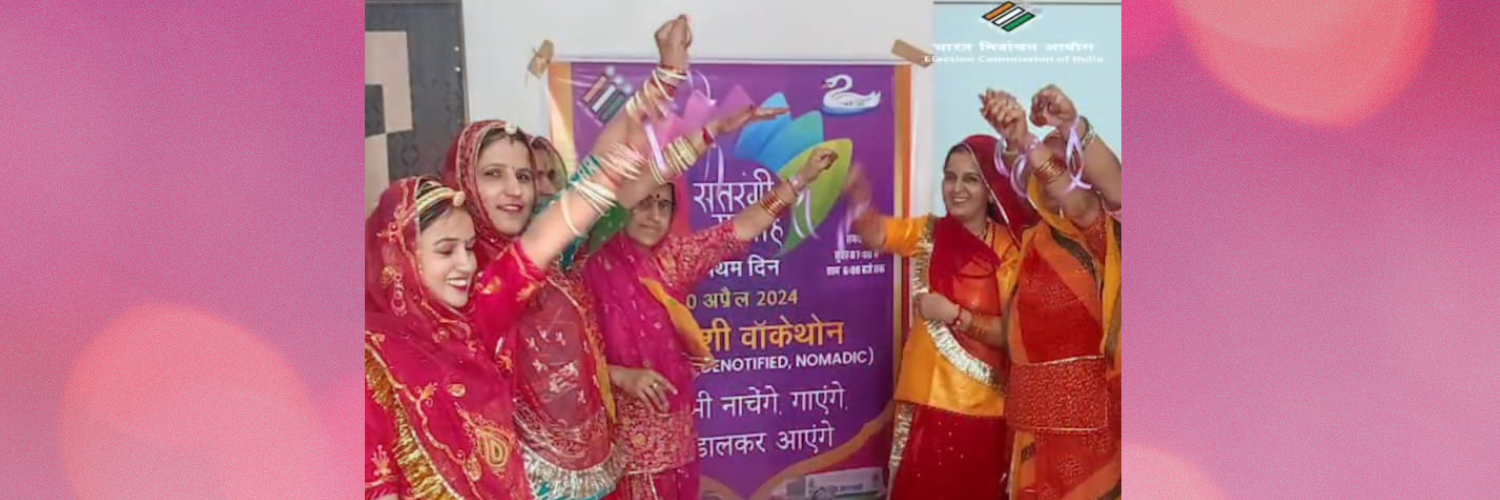
By Rakhee Roytalukdar The Nari Shakti Vandan Adhiniyam Bill, popularly called the Women’s Reservation Bill, passed in 2023, has been hailed as a game-changer in India’s political landscape. The long-pending Bill was passed in both houses of Parliament, almost...
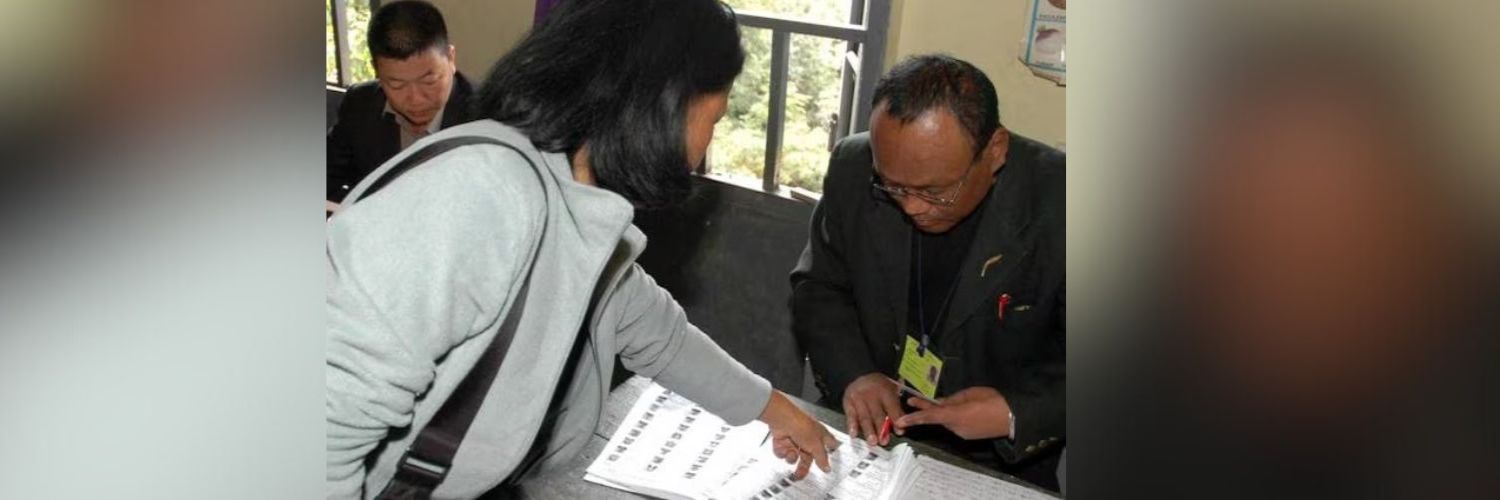
By Ninglun Hanghal There has been a positive churning in electoral politics in northeastern India in recent years. Women are slowly but surely making their way into state Legislative Assemblies as elected members (MLAs). Although the numbers are still relatively small...

By Vidhu Lata Translated from the Hindi version by Sumita Jaiswal Jiski jitni aabadi, uski utni hissedari (an equal share according to our population)! Political parties across the spectrum have been raising this cry, along with demands for a caste census, as the...