
Session 6: From Byline to Bot– Ethical Challenges of AI in Journalism
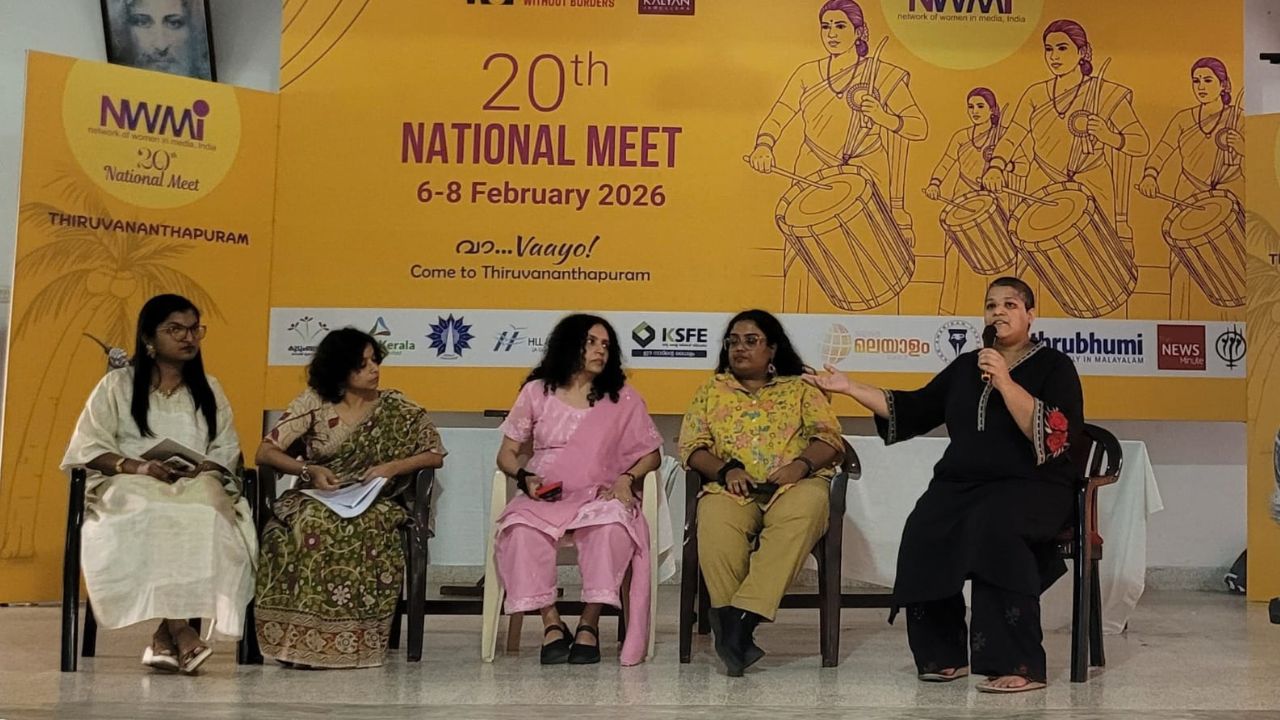
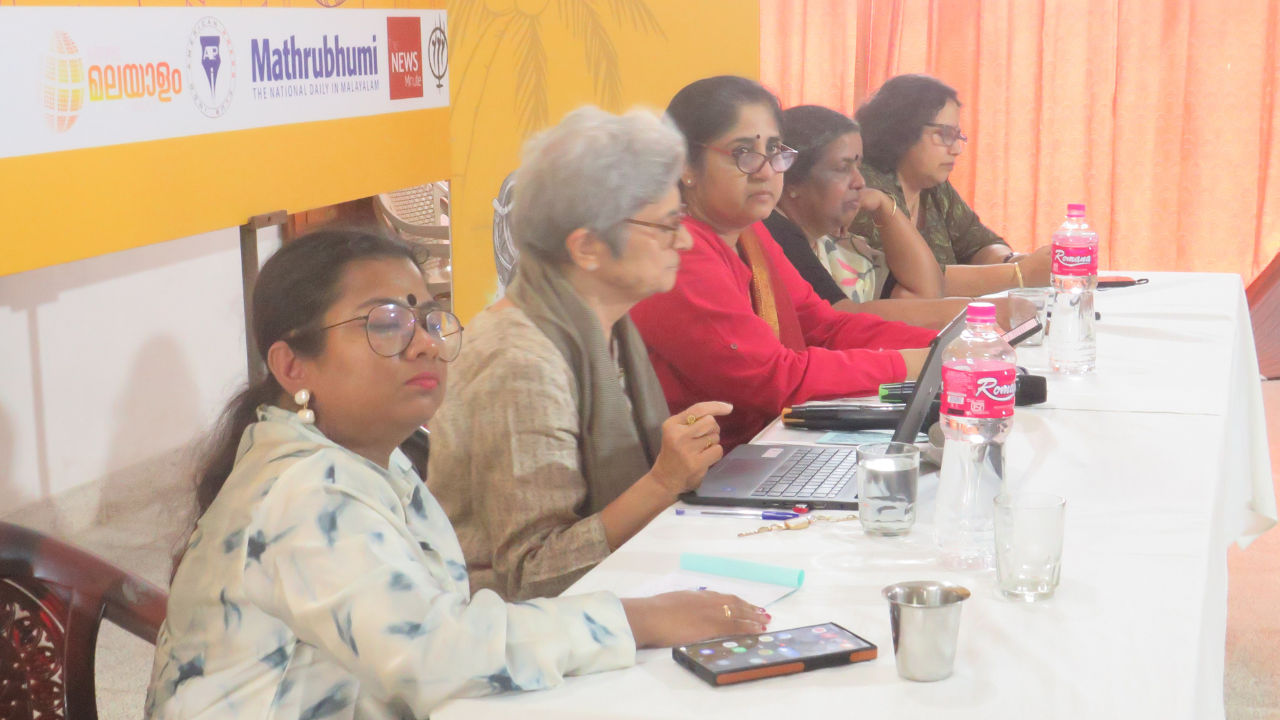
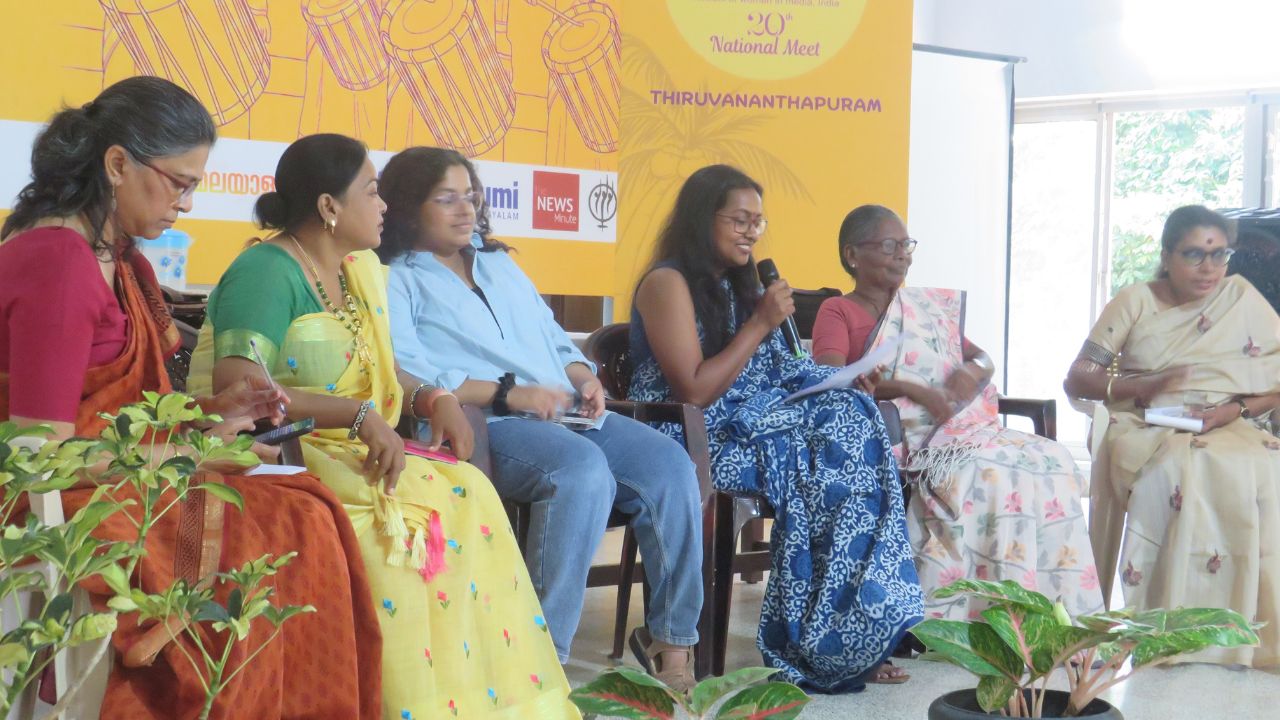
From left: Dheeshma Puzhakkal, Editor, Fact-Check Division, NewsMeter, Divya Arya, Senior Correspondent, Collective Newsrooms for BBC, Ramya Kannan, Chief of Bureau, Tamil Nadu, The Hindu, Azeefa Fathima, Senior Reporter, The News Minute, Ayswarya Murthy, Assistant Editor, 101Reporters
Moderator: Ayswarya Murthy , Assistant Editor, 101Reporters
Panelists:
Dheeshma Puzhakkal, Editor, Fact-Check Division, NewsMeter
Divya Arya, Senior Correspondent, Collective Newsrooms for BBC
Ramya Kannan , Chief of Bureau, Tamil Nadu, The Hindu
Azeefa Fathima , Senior Reporter, The News Minute
Jayanti Buruda, Independent Journalist, Odisha
From news gathering to newsroom workflows, AI is already shaping how journalism is produced, distributed and consumed. The session explored the importance of AI in newsrooms and how AI is changing the media landscape. AI tools such as Transcriptor, Notebook LLM, Copilot, Mind Maps, and AI Flashcard Generator were highlighted for their use in research, translation, and reporting stories. The session also addressed AI and ethical challenges across the full arc of journalism, from news gathering to production and fact-checking.
The first part of the session had practical demonstrations by Dheeshma Puzhakkal, Divya Arya, Ramya Kannan, Azeefa Fathima and Ayswarya Murthy on how AI fits into their everyday work- what it helps with, where its limits lie and why human editorial judgment still matters.
Jayanti Buruda from Malkangiri, a primarily Adivasi dominated district in Odisha, presented ‘Bridging Gaps: AI Advantages and Challenges’, highlighting how AI supports her journalistic work. She spoke about how voice-based AI is helping her with answers through voice commands, which is particularly helpful since literacy is a barrier for many tribal women. AI is also helping her with writing tasks such as drafting applications, complaints, letters to officials, and reports for NGOs and media groups. AI tools, she said, are also providing better access to information, and in making videos, editing, adding subtitles, and creating images. She highlighted how AI is helping community media, citizen journalism, and social media reporting.
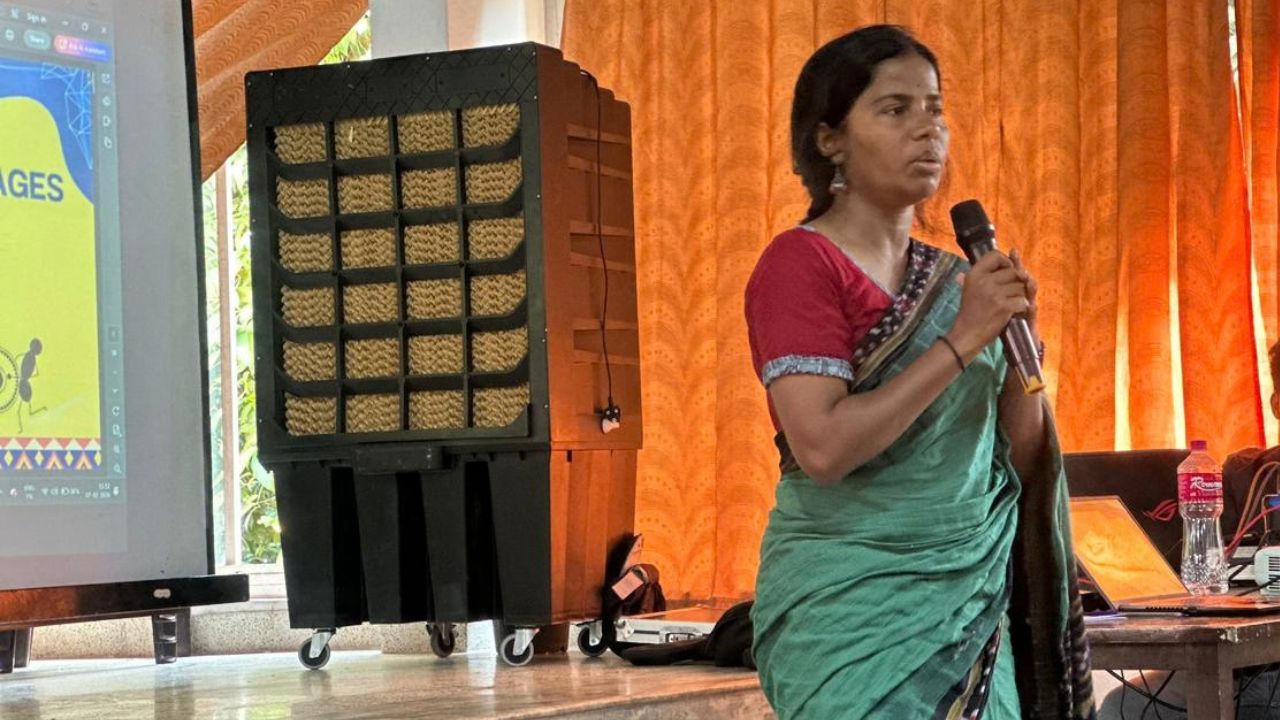
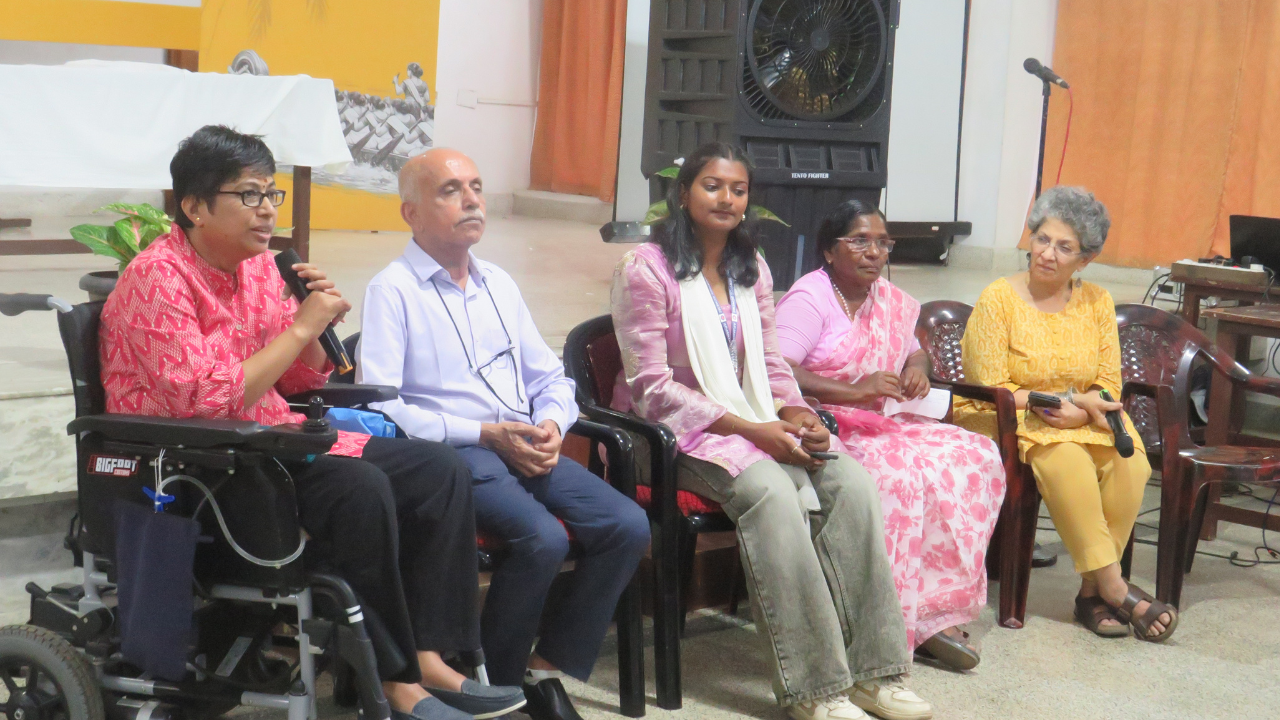
Journalist Jayanti Buruda
Jayanti went on to discuss the limitations and risks that come with AI use in Adivasi tribal contexts. Most AI tools do not support tribal languages, and many areas have poor networks and unstable internet, which limits the regular use of AI. She explained the risk of exploitation, as community knowledge, stories, and images might be collected and used without permission, meaning communities might lose ownership and credit of their own content. She spoke about algorithm bias and how AI systems trained on mainstream data can cause tribal voices to be ignored, misrepresented, or made invisible, while popular narratives get promoted over local realities.
Jayanti ended her presentation by noting that AI can support tribal women in journalism only if it respects their language and culture, protects ownership of their stories, and supports their voice rather than replacing it. The key takeaway of the session was to focus on the balance between efficiency and editorial responsibility, and on working with AI without losing the values that shape responsible journalism.
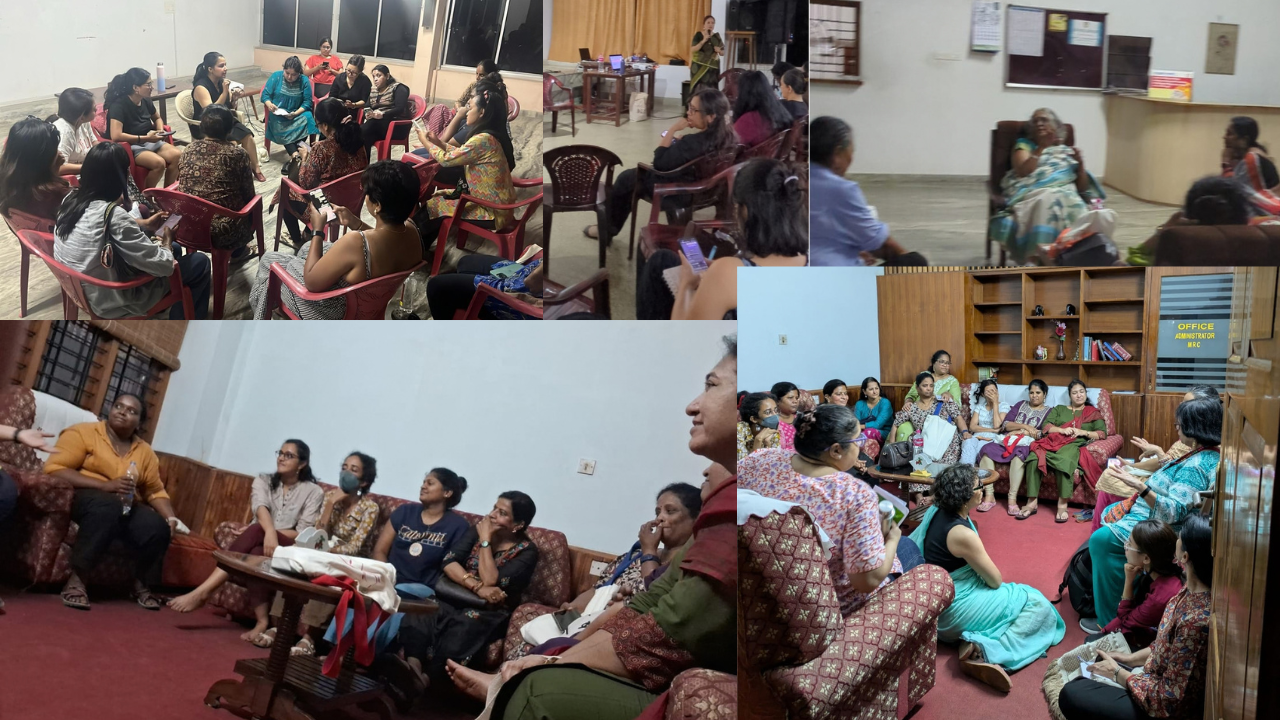
The second part of the session had the panellists discussing the ethical challenges of AI in journalism, focusing on bias, transparency, accuracy, accountability and editorial decision-making, using real examples from newsrooms.
Report by Sehar Qazi
Edited by Laxmi Murthy and Saraswathy Nagarajan