
Session 4: Sexual Violence–Trials and Justice
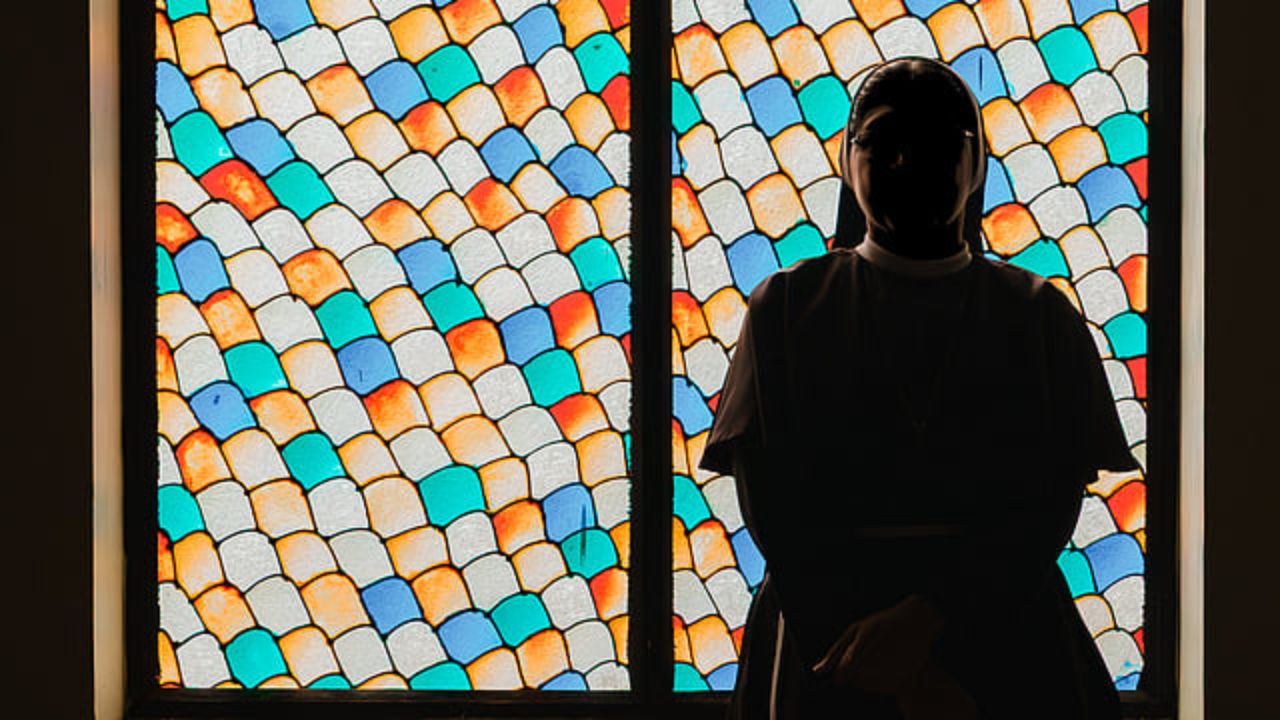
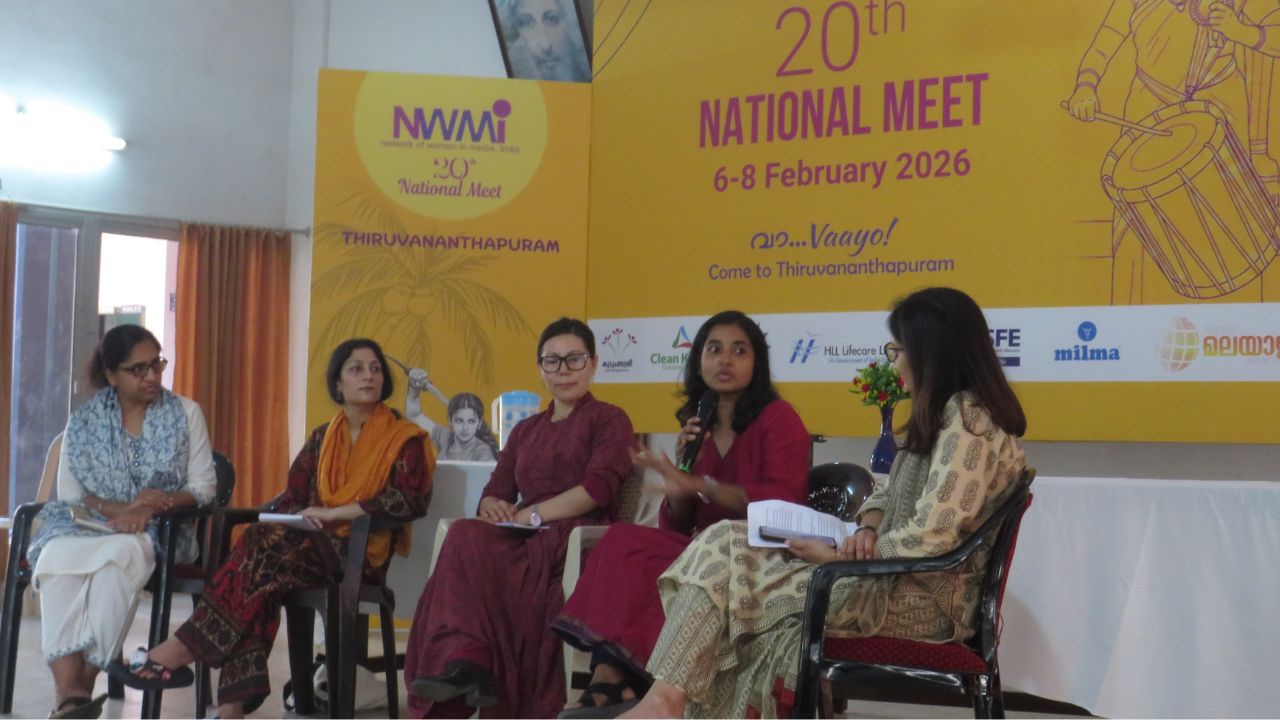
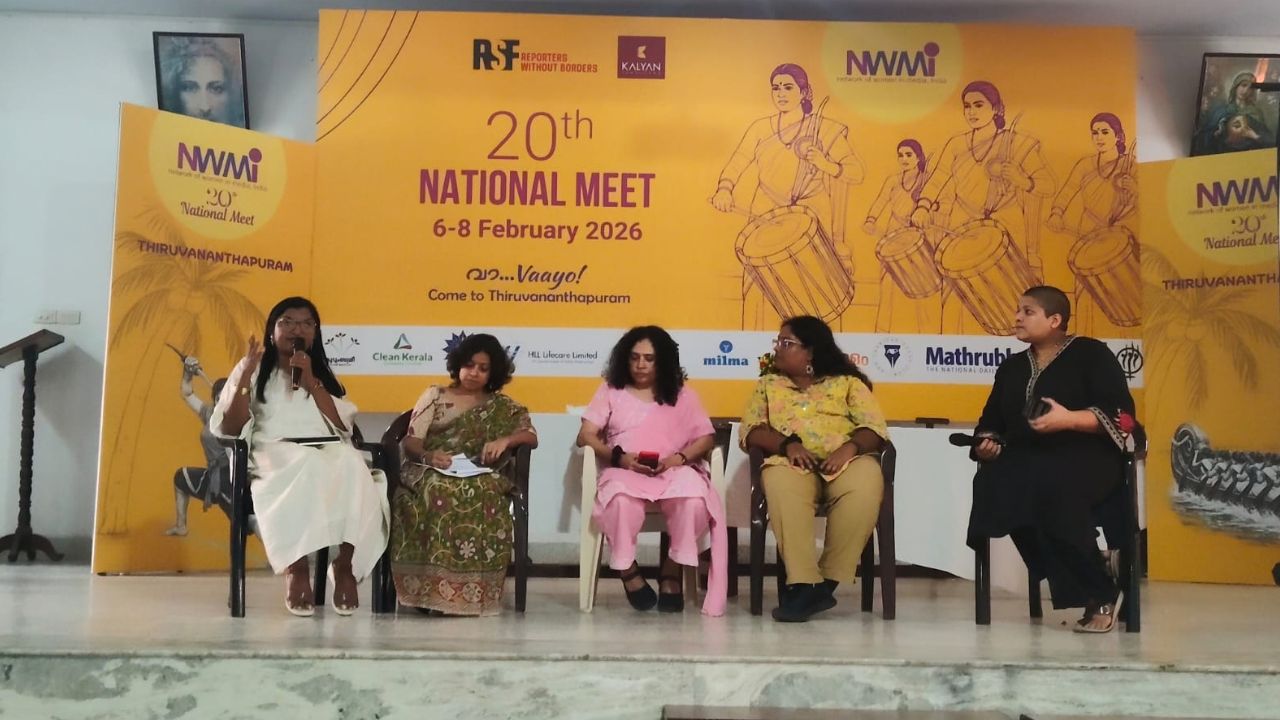
Photo courtesy: Isaac Nico, The News Minute
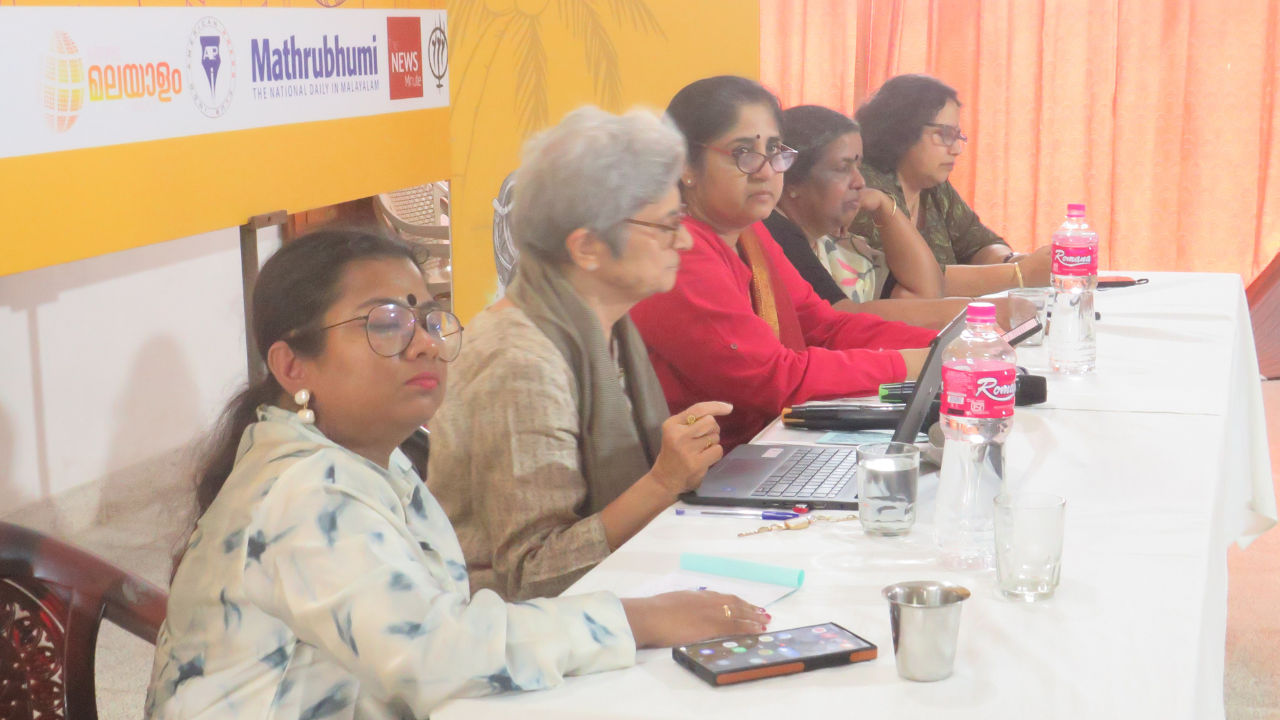
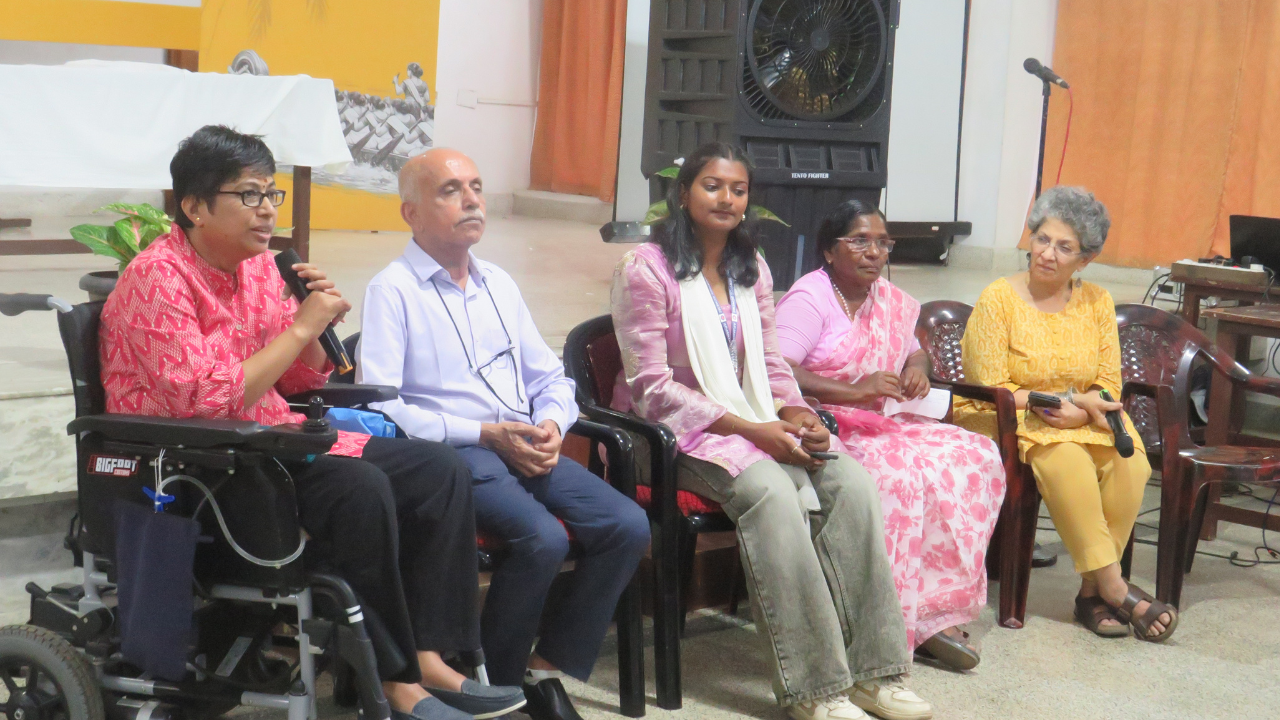
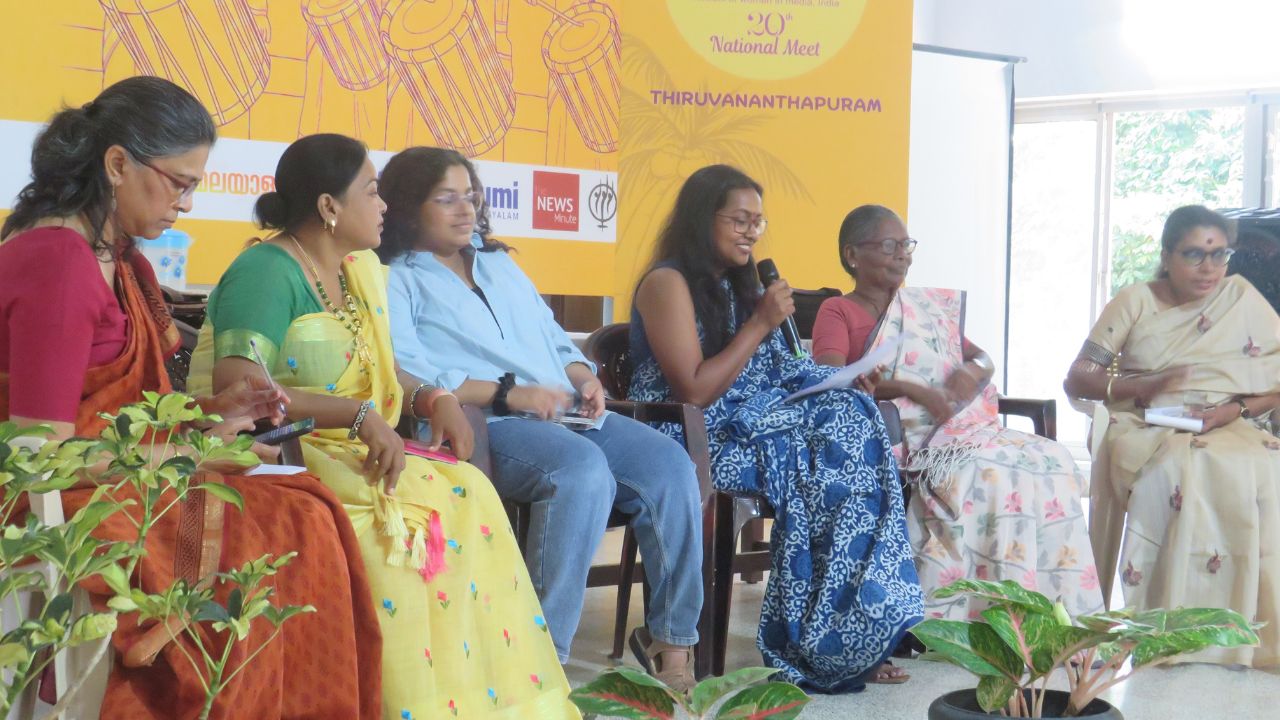
Panelists:
Dhanya Rajendran, Editor in Chief, The News Minute
Sister Ranit
Anita Cheria, Activist and Writer
The interaction began with an account of the abuse faced by the survivor, Sister Ranit. She is now pursuing a legal battle against Franco Mulakkal, former Bishop of Jalandhar, whom she accuses of abusing her during his visits to her convent in Kottayam, Kerala. The conversation that followed helped women journalists from outside Kerala understand the plight of the nuns, the makings of the protest that followed the case, and the current state of the case.
“I love (the Church) and live within the Church, but I am against certain things that happen within the Church. What kept me motivated was the support I got from those around me, from the sisters who were with me. I wanted to live to show my gratitude to them,” said Sister Ranit as she explained what kept her going through this very public ordeal.
Sister Ranit narrated her experience after she spoke to The News Minute. But then she had requested to remain anonymous. It was when actor Bhavana (who was sexually assaulted in 2017) spoke publicly about her plight that Sister decided to shed the cloak of anonymity as she felt that she had nothing more to lose.
Her journey as a nun had begun when she moved to Jalandhar with a cousin who was a priest there. She was drawn to the community after her mother’s demise. She was among the first batch of Missionaries of Jesus, a diocesan congregation with only 11 nuns and a few others in training. She became the first person nominated to lead the congregation.
When it came to filing a complaint, she was initially hesitant. Her complaints against Franco within the church were brought to the notice of the bishop himself. She had sent her brother to the police station with her internal complaint. As she put it, the more she wanted to keep the case under wraps, the more it became public.
Anita Cheria pointed out that there were five sisters with her, who gave her strength. Had she been alone, she could have been easily ejected from the Convent.
Sister spoke about the “”deep shame” she experienced that shaped how she approached the case, noting that she never used the word rape in the initial complaints. She, instead, used phrases like “he persuaded me to lie with him,” and this inconsistency in language across different statements later became a problem. During the protest, she described feeling numb and becoming part of it quite organically when the Joint Christian Council was protesting on her behalf. She credited people like Dhanya and Anita for keeping her alive, saying that in those days, she felt that there was no reason to wake up in the mornings. The Church kept silent while simultaneously sending transfer orders to the six sisters. Since they had police protection, the people sent to intimidate the nuns could not get into their Convent. The Church then stopped their monthly allowance and harassed them in other ways. She noted the painful irony that it was the Church that first forced them to file the case. The in-camera trial under Raman Pillai was deeply distressing. The defence lawyer’s aggressive language, expressions and body language intimidated her and wore her down emotionally. She recalled how each interaction with him left her in tears. What kept her from giving up was the support of the nuns who stood with her.
The acquittal of Franco came as a shock, said Sister Ranit. But, on the same day, the Superintendent of Police took a stand against the judgement, and in the days that followed, letters of support poured in, “giving them energy”.
Anita explained how another nun in the church had reflected on how all their adult lives as nuns they had believed it would be their own people who would stand for them, but when it came to the crunch, it was people from outside the Church who supported them.
The survivor nun concluded the session by saying that the shame now has to shift, that she loves and lives within the Church but is against certain incidents that happen within it. What kept her motivated was the support from those around her and the sisters who stood with her. She wanted to live to show her gratitude to them.
Report by Maria Teresa Raju
Edited by Saraswathy Nagarajan