

Women Voters Breaking the Wall of Caste Politics in Bihar
Caste-based politics has long been a harsh reality in Bihar. The state has witnessed prolonged caste conflicts as well as political battles focusing on challenging the dominance of the upper-caste groups traditionally in power. For decades, political parties have used caste consolidation as the primary tool with which to achieve electoral success. As a result, both democracy and development have remained sidelined for a long period.
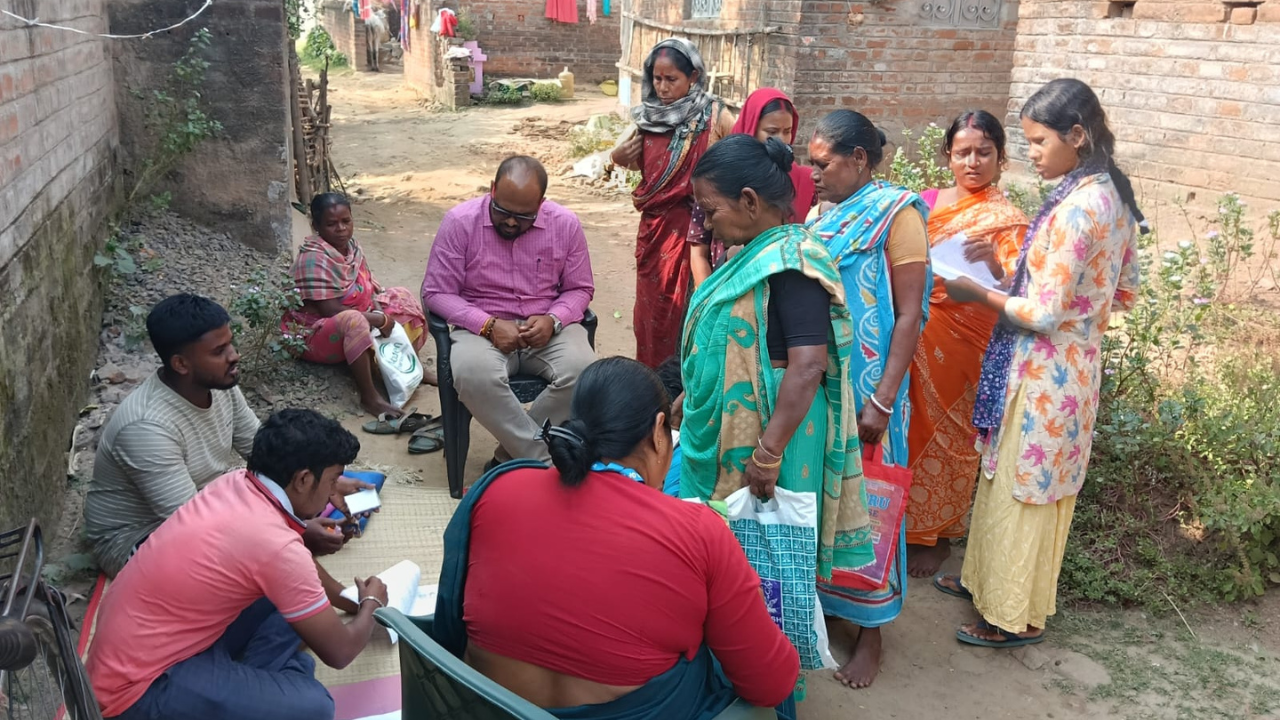
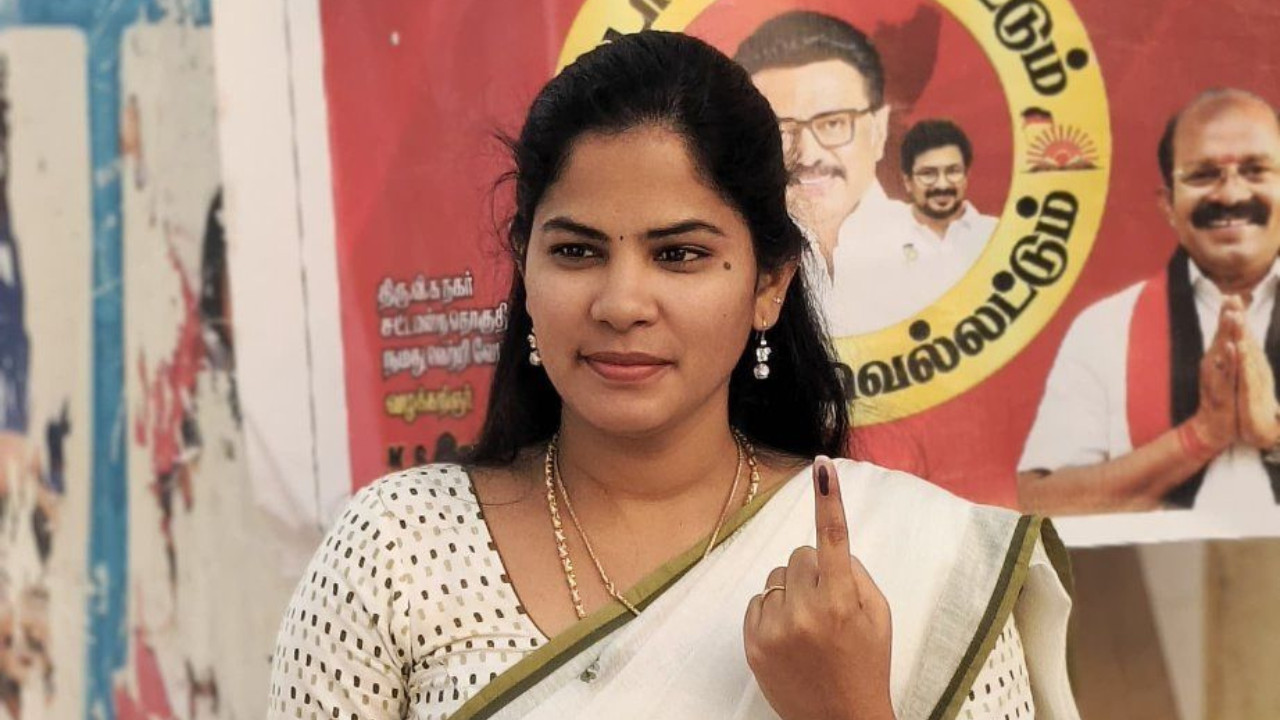
However, a significant transformation is now taking place. The growing number of female voters in the state is weakening the grip of caste politics and infusing fresh democratic energy into the political arena. Where elections earlier revolved around caste equations, women — particularly the young voters among them — are now increasingly basing their votes on welfare programmes as well as initiatives promoting development and social empowerment. Over the past decade women have become more politically aware and more vocal about their voting rights. They are increasingly making independent electoral decisions.
Between 2023 and 2024, State Assembly elections were held in 13 states: Chhattisgarh, Mizoram, Madhya Pradesh, Rajasthan, Telangana, Andhra Pradesh, Arunachal Pradesh, Sikkim, Jammu & Kashmir, Odisha, Haryana, Maharashtra and Jharkhand. Across most of these states, it became clear that women’s participation was decisive: more often than not, political parties that earned the trust of women voters came to power. This explains why many political parties now announce and expand women-centric welfare schemes before and after elections.
The rise of women voters as a political force was first clearly felt during the Bihar Assembly elections in 2015, and it became even more evident during the elections in 2020. It is now widely acknowledged that Chief Minister Nitish Kumar systematically built this voter base. His party, Janata Dal (United) (JD[U]), has repeatedly capitalised on women voters in order to hold its ground in Bihar’s political contests. This is also the key reason why the Bharatiya Janata Party (BJP)and the Rashtriya Janata Dal (RJD) have often competed to try and keep Nitish Kumar aligned with them.
Initiatives such as the bicycle scheme for schoolgirls, grants for school uniforms (for both girls and boys), the Chief Minister’s Girls’ Upliftment Scheme, the Chief Minister’s Girls’ Security Scheme, livelihood programmes for self-help groups (Jivika), skill-development programmes, 50% reservations for women in Panchayat and Municipal elections, 35% reservations in state government jobs and the state-wide prohibition of liquor have played a crucial role in the empowerment of women in the state and their consolidation into a strong voter base. Ahead of the 2025 elections, the significant increase in old age pension support and a one-time transfer of ₹10,000 to nearly 1.5 crore women under the Chief Minister’s Women’s Employment Scheme are set to further strengthen this trend.
According to the 2023 caste survey in Bihar, Nitish Kumar’s direct, caste-specific voter base is merely 1.5-2%. His political success largely stems from female voters who have risen above caste identities to support the JD(U). Data from the results of the previous election confirms this fact.
During the first phase of the Bihar State Assembly elections in 2020, women’s voter turnout was 2% lower than men’s and the Mahagathbandhan (Grand Alliance of opposition parties) secured a significant victory. In the second phase, women’s turnout surpassed that of men and the National Democratic Alliance (NDA), which JD(U) belongs to, took the lead. In the third phase, women’s turnout again surpassed men’s and the NDA achieved a landslide victory. Notably, the JD(U), led by Nitish Kumar, won 43 out of 243 seats in Bihar in 2020, with 37 of those seats witnessing higher female voter turnout. This highlights the growing influence of female voters in shaping electoral outcomes in Bihar.
Parallel to this trend, a youth voter base is also emerging. Young voters are prioritising issues like industrial development, employment generation and government jobs over caste identities. According to the Election Commission of India (ECI), of Bihar’s 74.1 million voters, 46% (nearly half) are aged between 18 and 39, while 22% (nearly a quarter) are between 18 and 29. This new voter base is also bound to influence election results.
According to Rajiv Kumar, Bihar Coordinator of the Association for Democratic Reforms (ADR), educated and economically independent women are casting their votes based on their own personal choices. The 50% reservation for women in panchayat and municipal elections has also strengthened women’s political participation. The dominance of “proxy-sarpanch husbands” has significantly decreased. He mentioned a research study which suggests that constituencies with elected women representatives tend to have better governance and reduced electoral violence. However, female candidates still face slightly lower chances of winning compared to their male counterparts, possibly due to their reluctance to engage in electoral violence and/or use muscle power.
Dr. D.M. Diwakar, former director of the A.N. Sinha Institute of Social Studies, observes that while there remains a small section of women whose votes are influenced by their families, the number of such cases is rapidly shrinking. Educated and empowered women are independently deciding who to cast their votes for. However, according to him, pre-election cash support may have a short-term impact. He points out that Bihar still faces a persistent gap in male-female literacy, a high female dropout rate in higher education and extremely low participation of women in technical education. He emphasises the need for efforts towards sustained social reform.
Divya Gautam, a highly educated and young candidate of the Communist Party of India (Marxist–Leninist) Liberation (CPI[ML]L) from Patna’s Digha constituency, affirms that women in Bihar now vote beyond caste identities and that no government can be formed without their support. She argues that last-minute monetary support to women is akin to bribery, claiming that women have demanded loan waivers, not cash assistance — especially because many schemes providing the latter have pushed women into debt. She asserts that Bihar’s women are quite politically aware now and are likely to make informed decisions.
According to author and political analyst Bhairav Lal Das, his research on Champaran and the Satyagraha movement revealed the historically low female political participation in Bihar. Further, the dominance of caste politics and the patriarchal nature of society once hindered the emergence of a strong female voter base. However, he says, recent years have witnessed significant social, economic and political empowerment of women through the various women-centric welfare schemes of the present government. According to him, as a result, women are now voting in larger numbers, prioritising development initiatives over caste affiliations.
Sumita Jaiswal is a senior journalist and fact-check trainer with 22 years of experience. She works for Dainik Jagran, and has also been a guest faculty member in the Department of Mass Communication and Journalism at Patna University.
Edited by Ammu Joseph
Please find the Hindi version here