


International Women’s Day
By:
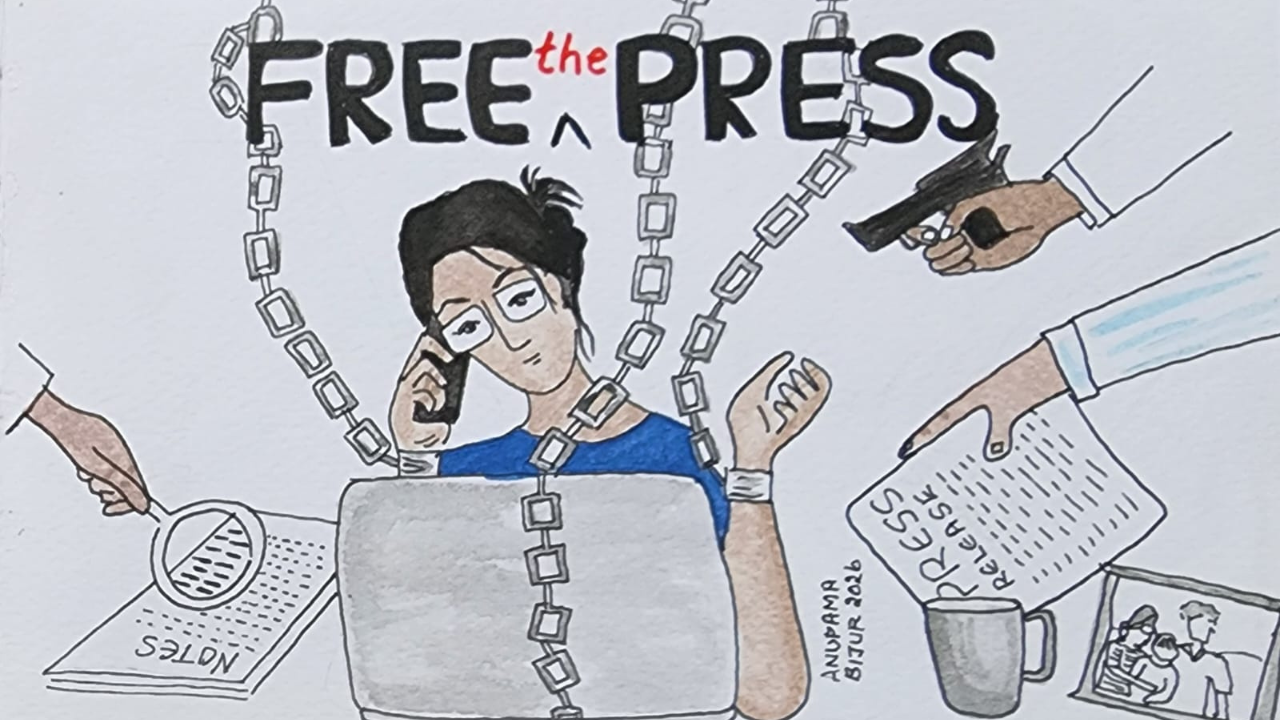
For women war reporters, the battlefield has two frontlines.
The next time you read a report on the US and Israel’s war on Iran or any war, look at the byline. If it’s written by a woman, read the report with this in mind. Women journalists covering conflict zones face two kinds of dangers. Bombs, gunfire and militarized environments, as you might expect. But many also face another battlefield: sexual harassment, assault and gender-based violence.
One incident that often comes to mind is that of CBS News’ chief foreign affairs correspondent Lara Logan, who was sexually assaulted while reporting in Egypt in 2011 when Hosni Mubarak was toppled. Her story exposed a reality that many women reporters know but rarely speak about. According to Irene Khan, UN Special Rapporteur on freedom of opinion and expression, women journalists are frequently targeted with gender-based violence, sexual assault, rape threats and harassment both online and offline, often intended to intimidate and silence them. Yet they continue to report from war torn areas. Ukraine, the Middle East, Afghanistan… For women reporters, covering war often means risking their lives twice over.
InkSights is a monthly art series by NWMI member Anupama Bijur viewing current affairs through a gender and news lens.
TAGS
More From the Section

Climate Change Hits Her Hardest


Doxing, Deepfakes and Digital Harassment


