
Simultaneous Breakout Workshops
On the final day of the meeting four breakout workshops were held simultaneously for members on the following topics:
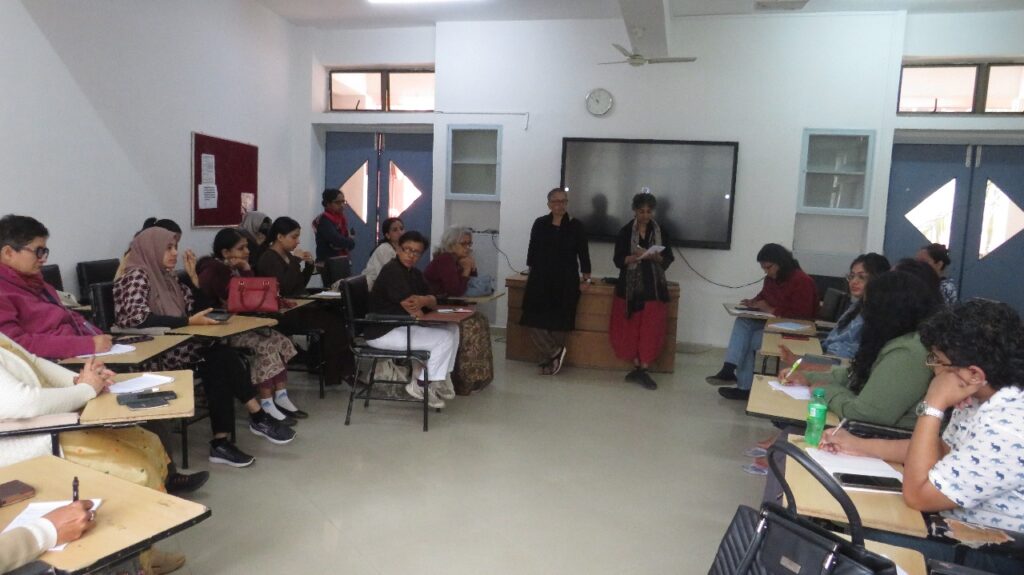
Workshop 1: Facilitators- Laxmi Murthy (left), editor and independent journalist and Geeta Seshu, independent journalist and co-editor, Free Speech Collective.
Watch Your Back: A collaborative learning workshop on safety on the field and beyond:
Journalists are pushing the envelope, reporting on issues fraught with danger and are constantly exposed to risks of physical and digital safety. They often venture into fields with little sense of where the attack can come from. Freelancers are at particular risk and impunity is an ever-present condition. The workshop provided a sharing and learning space to learn life-saving tips on and off the field, access legal aid and help watch our backs.
Together We Are Strong:
Collectivising Independent Journalists: The concerns and travails of freelancers/independent journalists have been spotlighted for several years in the NWMI. They include: lack of access to editors; payment -related issues, (inadequate and late payment; no kill fees; no travel expenses), lack of contracts, denial of legitimacy, safety related issues, copyright and plagiarism; need for legal support and the need for solidarity to achieve better overall standards for freelancers. The NWMI has already taken some steps forward, in the shape of a database of media houses and contacts of editors to pitch stories; a Freelancers’ Charter evolved after discussions; legal help, fund-raising, advice and moral support when members face litigation. The workshop discussed concrete steps to strengthen the voice of freelancers, to fight for financial justice and dignified working conditions of independent media-persons, for example through a union or association.
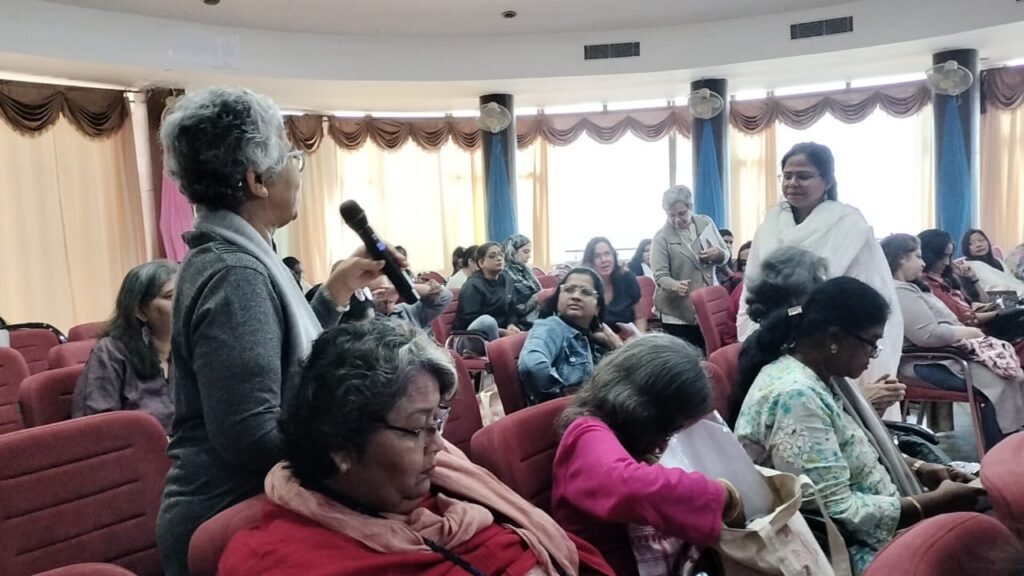
Workshop 2: Facilitator- Neetu Singh (right), independent journalist and founder, Shades of Rural India
Designing Your Journalism Future:
Exploring innovative approaches to journalism: This workshop explored the opportunities of the digital transition and ways in which a journalist can design their journalism future, telling the stories they care about, while focusing on the audience and getting paid for it through sponsorship, advertising or membership. The workshop introduced ‘design thinking’ (problem solving and people-centred innovation) is suitable for individual journalists thinking of setting out on their own, or for others who are thinking of building journalism businesses. Many NWMI members are transitioning to digital platforms and are thinking of ways to make it work, and this workshop was an excellent opportunity and learning experience for them.
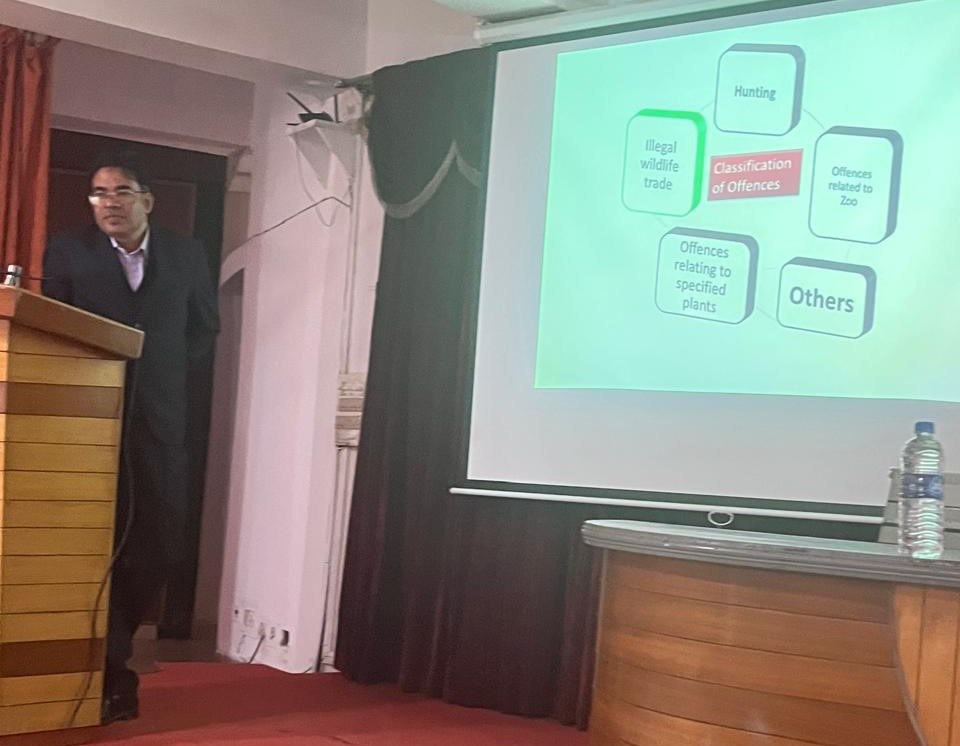
Workshop 3: Facilitator- Ajoy Kumar Das, senior law consultant, NGO Aaranyak
Tracking the Wild
Reporting crime, conservation, and trafficking in India: India, home to some of the world’s most diverse ecosystems, faces significant challenges from wildlife crime, habitat destruction, and trans-boundary trafficking of species. This workshop equipped participants with the knowledge and skills to report on critical wildlife and environmental issues across India. The key topics discussed during the workshop were understanding the Wildlife Laws and its role in curbing illegal wildlife trade, the implications of CITES (Convention on International Trade in Endangered Species of Wild Fauna and Flora) in regulating the trade of endangered and exotic species and investigating trans-boundary wildlife trafficking.


