
Patrakarita: The Memoir of Khabar Lahariya
On a scorching and unusually humid October afternoon even by Mumbai’s sweltering standards, four women journalists from the storied newsroom Khabar Lahariya (KL) dismantled stereotypes about themselves and rural India in their quintessential charming way.
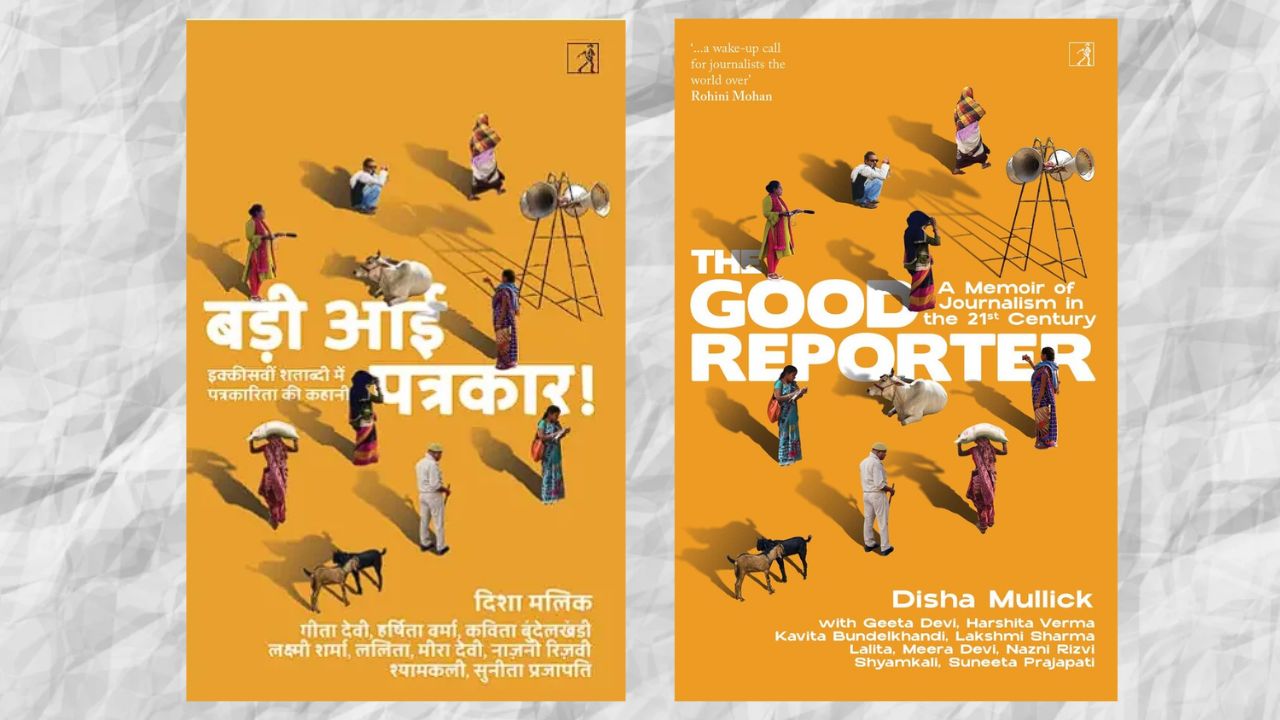
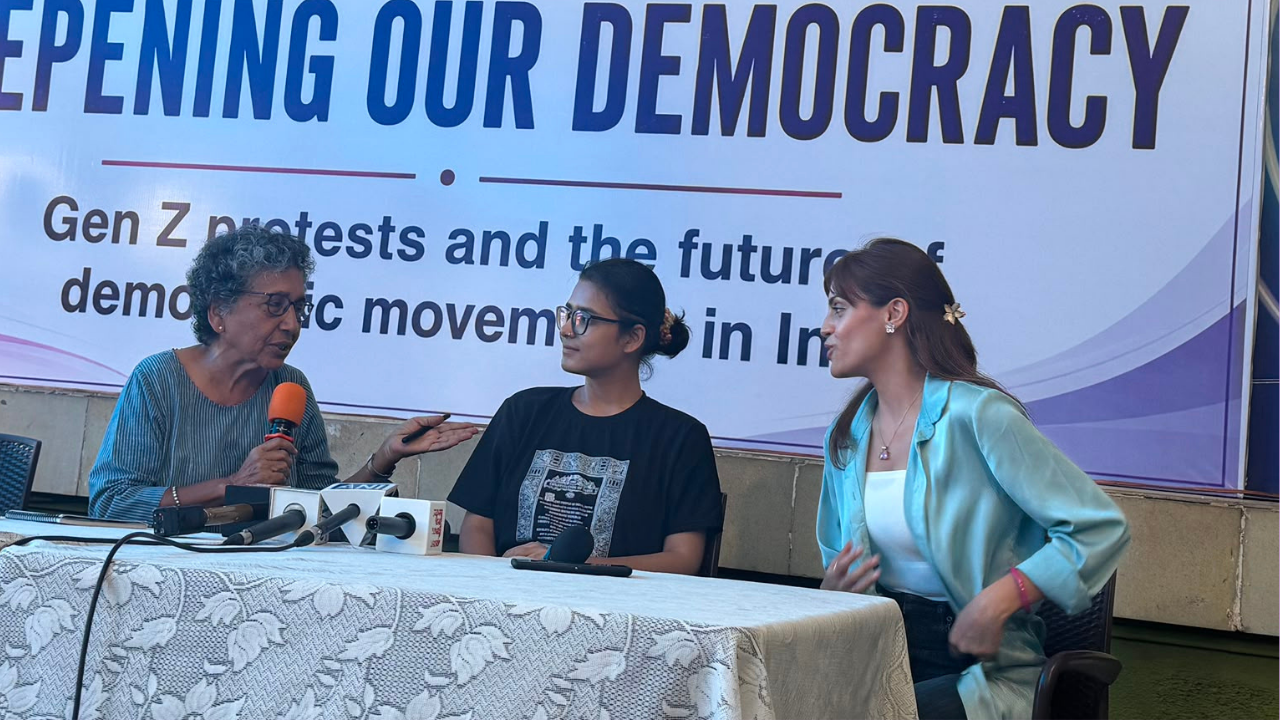
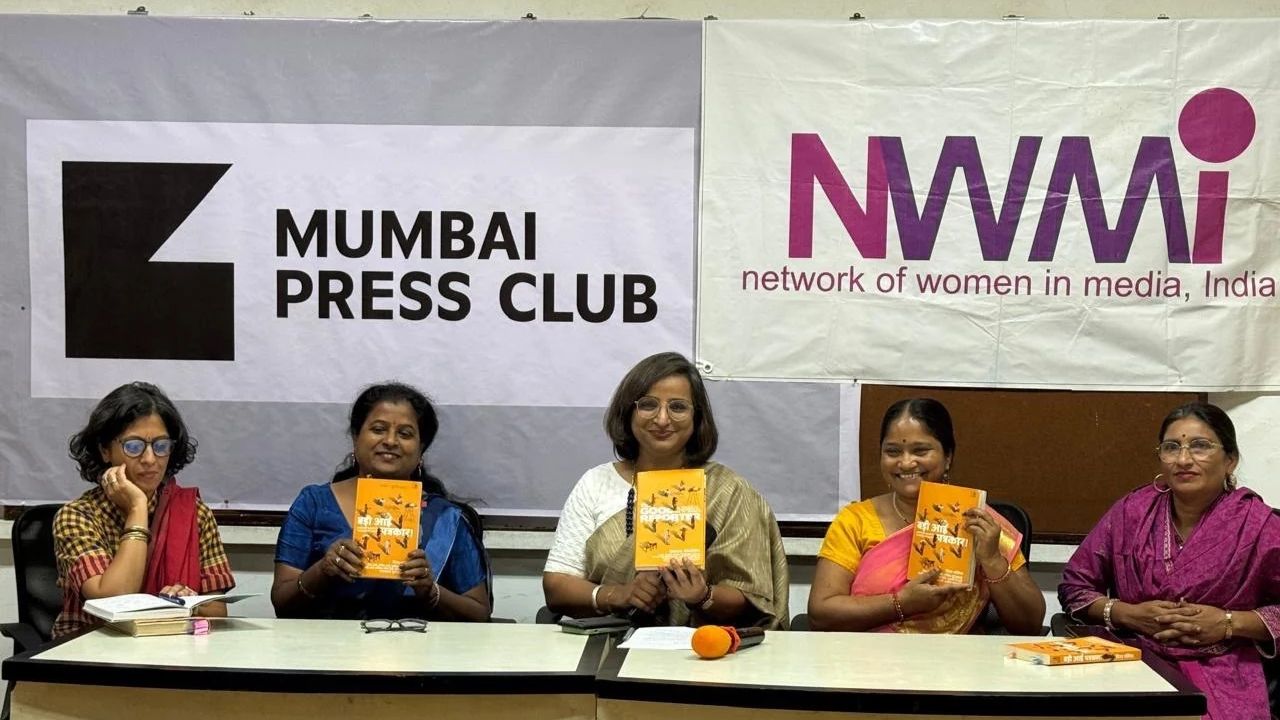
Khabar Lahariya’s Kavita Bundelkhandi, Meera Devi, Nazni Rizvi and Disha Mullick were in Mumbai on October 26, 2026 to present their collective biography fittingly titled ‘Badi Aayi Patrakar’ in Hindi and ‘The Good Reporter’ in English.
The discussion was organised by the Network of Women in Media, India (NWMI) Mumbai chapter and the Mumbai Press Club and was moderated by NWMI Mumbai’s Alka Dhupkar, Senior Assistant Editor, The Times of India, Digital (TOI Plus). Alka hails from Maharashtra’s Sindhudurg district and has covered the region extensively.
It is not hard to see why Khabar Lahariya, now in its 25th year and founded by a group of feisty women in Uttar Pradesh’s Bundelkhand district, is stereotyped and exoticised, even by well meaning individuals within the journalism fraternity. Their origin story is the stuff of lore. The independent grassroots feminist news publication now operates in four states.
When asked why they felt the need to write a book and document their history, Khabar Lahariya’s managing editor Meera Devi said much was written and spoken about the newsroom’s story by others that she was almost driven by a feeling of revenge (“badla”) to tell their story in their own words. “Mujhe laga raha tha ki ek mauka aisa koi mile jahan hum bataaein ki hum hai kya,” (I kept feeling that there should be some opportunity where we could tell who we really are), Meera Devi, who covered the politics beat, said. As a result their collective memoir is unlike any other, telling their story warts and all, not just the “hero-panti” and courage of their reporting but also the inside politics, the trolling faced, the mental trauma caused by some news stories as well as the fun they had along the way.
Nazni Rizvi was moved to tears when she spoke about the newsroom’s decision to shutter their newspaper in 2017 and publish online entirely. She said people in Bundelkhand’s villages were very attached to the newspaper and loved seeing a paper printed in the local Bundeli dialect. Many were unaware that the paper had ceased printing and still asked for a copy, she said.
Disha Mullick recalled a question that was posed to her while trying to raise funds. She was asked if the crime rate had gone down in the region where Khabar Lahariya had been reporting for years. Disha asked if any mainstream newspaper with big spends and resources at their disposal would ever be asked the same.
The conversation also touched upon the challenges of running a newsroom in the age of algorithms influencing editorial decisions.
Editor-in-chief Kavita Bundelkhandi said Khabar Lahariya has been covering the displacement and disruption to villages caused by the Ken-Betwa river linking project in Madhya Pradesh for the past eight years. Since June this year, local communities have been protesting through the symbolic Chita Andolan (the funeral pyre movement).
But when mainstream media reporters, who started covering the story recently, stood in the river with the water level reaching up to their chest, the latter’s video went viral, she said.
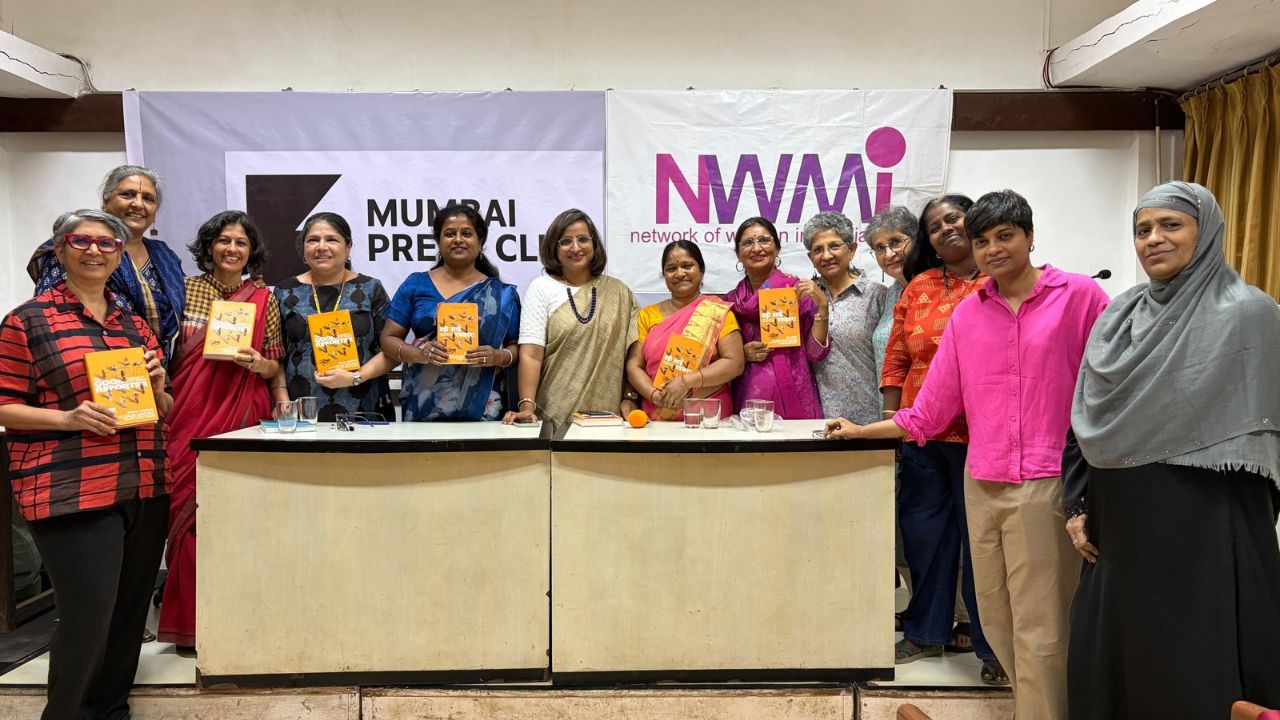
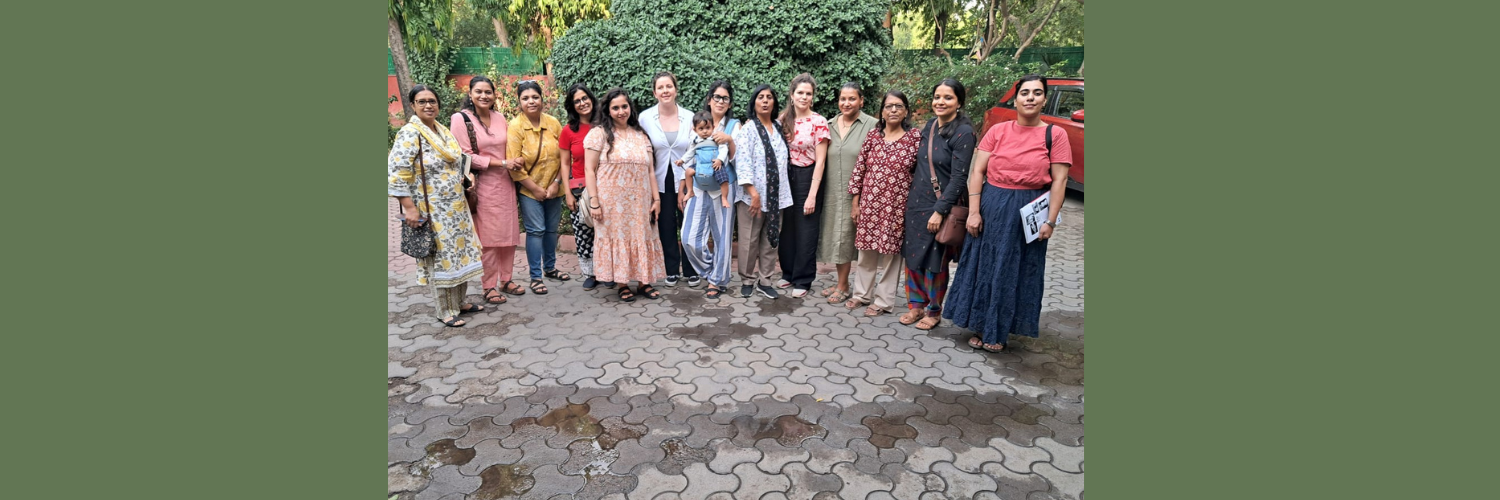
NWMI Mumbai Chapter members with the team from Khabar Lahariya
Kavita also said the ten Khabar Lahariya journalists who authored the book collectively drew up a framework for the writing process and how they would arrive at which stories would go into their memoir.
She said this process of recollecting and writing began with depositing their mobile phones to be free from distraction and doing yoga together so that they could feel where the stories were hidden within themselves.
Badi Aayi Patrakar/The Good Reporter is available in bookstores and online.
Karen Rebelo is an independent journalist writing about how tech and AI impact people.
Edited by Sameera Khan